mirror of
https://github.com/novatic14/MANPADS-System-Launcher-and-Rocket.git
synced 2026-04-20 16:55:40 +00:00
Compare commits
5 Commits
968f9146e8
...
main
| Author | SHA1 | Date | |
|---|---|---|---|

|
76d83eed93 | ||

|
fe5d115f3b | ||
|
|
5e588fb04d | ||
|
|
fbd92c3590 | ||
|
|
770841263f |
34
.gitignore
vendored
Normal file
34
.gitignore
vendored
Normal file
@@ -0,0 +1,34 @@
|
||||
# === PlatformIO ===
|
||||
.pio/
|
||||
.pioenvs/
|
||||
.piolibdeps/
|
||||
|
||||
# === Arduino IDE ===
|
||||
build/
|
||||
*.elf
|
||||
*.bin
|
||||
*.hex
|
||||
*.map
|
||||
|
||||
# === Python ===
|
||||
__pycache__/
|
||||
*.py[cod]
|
||||
*$py.class
|
||||
*.egg-info/
|
||||
dist/
|
||||
venv/
|
||||
.venv/
|
||||
env/
|
||||
|
||||
# === IDE / Editor ===
|
||||
.vscode/
|
||||
.idea/
|
||||
*.swp
|
||||
*.swo
|
||||
*~
|
||||
.DS_Store
|
||||
Thumbs.db
|
||||
|
||||
# === Fusion 360 recovery ===
|
||||
*.f3z.bak
|
||||
*.f3z.tmp
|
||||
20
Firmware/Launcher/platformio.ini
Normal file
20
Firmware/Launcher/platformio.ini
Normal file
@@ -0,0 +1,20 @@
|
||||
; PlatformIO Project Configuration - Launcher Ground Station
|
||||
;
|
||||
; Build & upload:
|
||||
; pio run -e launcher -t upload
|
||||
;
|
||||
; Monitor serial:
|
||||
; pio device monitor -b 115200
|
||||
|
||||
[env:launcher]
|
||||
platform = espressif32
|
||||
board = esp32dev
|
||||
framework = arduino
|
||||
monitor_speed = 115200
|
||||
lib_deps =
|
||||
adafruit/Adafruit BMP085 Library@^1.2.4
|
||||
mprograms/QMC5883LCompass@^1.2.3
|
||||
mikalhart/TinyGPSPlus@^1.1.0
|
||||
madhephaestus/ESP32Servo@^3.0.5
|
||||
Wire
|
||||
upload_speed = 921600
|
||||
19
Firmware/Rocket/platformio.ini
Normal file
19
Firmware/Rocket/platformio.ini
Normal file
@@ -0,0 +1,19 @@
|
||||
; PlatformIO Project Configuration - Rocket Flight Computer
|
||||
;
|
||||
; Build & upload:
|
||||
; pio run -e rocket -t upload
|
||||
;
|
||||
; Monitor serial:
|
||||
; pio device monitor -b 115200
|
||||
|
||||
[env:rocket]
|
||||
platform = espressif32
|
||||
board = esp32dev
|
||||
framework = arduino
|
||||
monitor_speed = 115200
|
||||
lib_deps =
|
||||
adafruit/Adafruit MPU6050@^2.2.6
|
||||
adafruit/Adafruit Unified Sensor@^1.1.14
|
||||
madhephaestus/ESP32Servo@^3.0.5
|
||||
Wire
|
||||
upload_speed = 921600
|
||||
160
Firmware/Rocket/src/main.cpp
Normal file
160
Firmware/Rocket/src/main.cpp
Normal file
@@ -0,0 +1,160 @@
|
||||
/*
|
||||
* ROCKET ESP32 CODE (Flight Computer + Stabilization)
|
||||
* V4 - Final stable build with Physical Skew Telemetry
|
||||
*/
|
||||
|
||||
#include <Arduino.h>
|
||||
#include <Wire.h>
|
||||
#include <Adafruit_MPU6050.h>
|
||||
#include <Adafruit_Sensor.h>
|
||||
#include <ESP32Servo.h>
|
||||
|
||||
const int RX2_PIN = 16;
|
||||
const int TX2_PIN = 17;
|
||||
const int IGNITE_SERVO_PIN = 5;
|
||||
|
||||
const int LEFT_SERVO_PIN = 26;
|
||||
const int RIGHT_SERVO_PIN = 25;
|
||||
const int UP_SERVO_PIN = 27;
|
||||
const int DOWN_SERVO_PIN = 14;
|
||||
|
||||
const int IGNITE_SERVO_ON = 150;
|
||||
const int IGNITE_SERVO_OFF = 35;
|
||||
|
||||
const int LEFT_CENTER = 115;
|
||||
const int RIGHT_CENTER = 80;
|
||||
const int UP_CENTER = 80;
|
||||
const int DOWN_CENTER = 115;
|
||||
const int MAX_DEFLECTION = 12;
|
||||
|
||||
Servo igniteServo;
|
||||
Servo leftServo, rightServo, upServo, downServo;
|
||||
Adafruit_MPU6050 mpu;
|
||||
|
||||
String sysState = "IDLE";
|
||||
float Kp = 0.5;
|
||||
float Kd = 0.2;
|
||||
String cmdBuffer = "";
|
||||
|
||||
float roll = 0;
|
||||
float gyroX_offset = 0;
|
||||
float physical_skew_angle = 0.0;
|
||||
|
||||
unsigned long last_time;
|
||||
unsigned long lastTelemetrySent = 0;
|
||||
unsigned long lastReadySent = 0;
|
||||
unsigned long igniteStartTime = 0;
|
||||
|
||||
void calibrateGyro() {
|
||||
float sumGyroX = 0, sumAccY = 0, sumAccZ = 0;
|
||||
int samples = 200;
|
||||
for (int i = 0; i < samples; i++) {
|
||||
sensors_event_t a, g, temp;
|
||||
mpu.getEvent(&a, &g, &temp);
|
||||
sumGyroX += g.gyro.x;
|
||||
sumAccY += a.acceleration.y;
|
||||
sumAccZ += a.acceleration.z;
|
||||
delay(5);
|
||||
}
|
||||
gyroX_offset = sumGyroX / samples;
|
||||
float avgY = sumAccY / samples;
|
||||
float avgZ = sumAccZ / samples;
|
||||
physical_skew_angle = atan2(avgY, avgZ) * 180.0 / PI;
|
||||
roll = 0.0;
|
||||
last_time = millis();
|
||||
}
|
||||
|
||||
void setup() {
|
||||
Serial.begin(115200);
|
||||
Serial2.begin(115200, SERIAL_8N1, RX2_PIN, TX2_PIN);
|
||||
Serial2.setTimeout(20);
|
||||
delay(1500);
|
||||
Wire.begin(21, 22);
|
||||
if (mpu.begin()) {
|
||||
mpu.setAccelerometerRange(MPU6050_RANGE_8_G);
|
||||
mpu.setGyroRange(MPU6050_RANGE_500_DEG);
|
||||
mpu.setFilterBandwidth(MPU6050_BAND_10_HZ);
|
||||
}
|
||||
ESP32PWM::allocateTimer(0);
|
||||
ESP32PWM::allocateTimer(1);
|
||||
igniteServo.setPeriodHertz(50);
|
||||
igniteServo.attach(IGNITE_SERVO_PIN);
|
||||
igniteServo.write(IGNITE_SERVO_OFF);
|
||||
leftServo.setPeriodHertz(50); leftServo.attach(LEFT_SERVO_PIN, 500, 2400);
|
||||
rightServo.setPeriodHertz(50); rightServo.attach(RIGHT_SERVO_PIN, 500, 2400);
|
||||
upServo.setPeriodHertz(50); upServo.attach(UP_SERVO_PIN, 500, 2400);
|
||||
downServo.setPeriodHertz(50); downServo.attach(DOWN_SERVO_PIN, 500, 2400);
|
||||
leftServo.write(LEFT_CENTER);
|
||||
rightServo.write(RIGHT_CENTER);
|
||||
upServo.write(UP_CENTER);
|
||||
downServo.write(DOWN_CENTER);
|
||||
calibrateGyro();
|
||||
}
|
||||
|
||||
void loop() {
|
||||
unsigned long current_time = millis();
|
||||
float dt = (current_time - last_time) / 1000.0;
|
||||
if (dt <= 0) dt = 0.001;
|
||||
last_time = current_time;
|
||||
|
||||
sensors_event_t a, g, temp;
|
||||
mpu.getEvent(&a, &g, &temp);
|
||||
|
||||
float raw_rate_rad = g.gyro.x - gyroX_offset;
|
||||
float rate_deg_s = raw_rate_rad * 180.0 / PI;
|
||||
roll += rate_deg_s * dt;
|
||||
|
||||
float output = (Kp * roll) + (Kd * rate_deg_s);
|
||||
int servo_offset = constrain((int)output, -MAX_DEFLECTION, MAX_DEFLECTION);
|
||||
|
||||
if (sysState == "FLIGHT") {
|
||||
leftServo.write(LEFT_CENTER + servo_offset);
|
||||
rightServo.write(RIGHT_CENTER + servo_offset);
|
||||
upServo.write(UP_CENTER + servo_offset);
|
||||
downServo.write(DOWN_CENTER + servo_offset);
|
||||
} else {
|
||||
leftServo.write(LEFT_CENTER);
|
||||
rightServo.write(RIGHT_CENTER);
|
||||
upServo.write(UP_CENTER);
|
||||
downServo.write(DOWN_CENTER);
|
||||
servo_offset = 0;
|
||||
}
|
||||
|
||||
if (sysState == "IGNITING" && (current_time - igniteStartTime > 2500)) {
|
||||
igniteServo.write(IGNITE_SERVO_OFF);
|
||||
sysState = "FLIGHT";
|
||||
Serial2.println("IGNITED");
|
||||
}
|
||||
|
||||
if (current_time - lastTelemetrySent >= 50) {
|
||||
// Telemetry payload including Skew Angle
|
||||
String payload = "DATA," + String(a.acceleration.x, 2) + "," +
|
||||
String(a.acceleration.y, 2) + "," + String(a.acceleration.z, 2) + "," +
|
||||
String(roll, 2) + "," + String(rate_deg_s, 2) + "," +
|
||||
String(servo_offset) + "," + sysState + "," +
|
||||
String(Kp, 2) + "," + String(Kd, 2) + "," +
|
||||
String(physical_skew_angle, 2);
|
||||
Serial2.println(payload);
|
||||
lastTelemetrySent = current_time;
|
||||
}
|
||||
|
||||
if (sysState == "IDLE" && (current_time - lastReadySent >= 1000)) {
|
||||
Serial2.println("READY");
|
||||
lastReadySent = current_time;
|
||||
}
|
||||
|
||||
while (Serial2.available()) {
|
||||
char c = Serial2.read();
|
||||
if (c == '\n') {
|
||||
cmdBuffer.trim();
|
||||
if (cmdBuffer == "ARM" && sysState == "IDLE") { sysState = "ARMED"; calibrateGyro(); }
|
||||
else if (cmdBuffer == "IGNITE") { sysState = "IGNITING"; igniteStartTime = millis(); igniteServo.write(IGNITE_SERVO_ON); }
|
||||
else if (cmdBuffer == "CALIBRATE") { calibrateGyro(); }
|
||||
else if (cmdBuffer.startsWith("PID,")) {
|
||||
int c1 = cmdBuffer.indexOf(','), c2 = cmdBuffer.indexOf(',', c1 + 1);
|
||||
if (c1 > 0 && c2 > 0) { Kp = cmdBuffer.substring(c1 + 1, c2).toFloat(); Kd = cmdBuffer.substring(c2 + 1).toFloat(); }
|
||||
}
|
||||
cmdBuffer = "";
|
||||
} else if (c != '\r') { cmdBuffer += c; }
|
||||
}
|
||||
}
|
||||
8
Firmware/requirements.txt
Normal file
8
Firmware/requirements.txt
Normal file
@@ -0,0 +1,8 @@
|
||||
# Rocket Telemetry Dashboard - Python Dependencies
|
||||
# Install with: pip install -r requirements.txt
|
||||
#
|
||||
# Note: tkinter is included with most Python installations.
|
||||
# On Debian/Ubuntu, install it via: sudo apt install python3-tk
|
||||
|
||||
matplotlib>=3.5.0
|
||||
numpy>=1.21.0
|
||||
@@ -1,411 +0,0 @@
|
||||
import tkinter as tk
|
||||
from tkinter import ttk, filedialog, messagebox
|
||||
import socket
|
||||
import threading
|
||||
import matplotlib.pyplot as plt
|
||||
from matplotlib.animation import FuncAnimation
|
||||
from matplotlib.backends.backend_tkagg import FigureCanvasTkAgg
|
||||
from collections import deque
|
||||
import time
|
||||
import numpy as np
|
||||
|
||||
# --- Configuration ---
|
||||
UDP_IP = "0.0.0.0"
|
||||
UDP_PORT = 4444
|
||||
BUFFER_SIZE = 1024
|
||||
VIEW_POINTS = 100
|
||||
RATE_SCALE = 0.25
|
||||
|
||||
LAUNCHER_GATEWAY = "192.168.4.1"
|
||||
|
||||
class TelemetryApp:
|
||||
def __init__(self, root):
|
||||
self.root = root
|
||||
self.root.title("Rocket Telemetry Dashboard - Ground Control")
|
||||
self.root.geometry("1100x850")
|
||||
|
||||
self.zoom_levels = [1.0, 1.5, 2.0, 2.5]
|
||||
self.ui_scale = 1.0
|
||||
|
||||
self.time_data = deque()
|
||||
self.roll_data = deque()
|
||||
self.rate_data = deque()
|
||||
self.output_data = deque()
|
||||
|
||||
self.current_values = {
|
||||
"Time": 0, "Roll": 0.0, "Rate": 0.0, "Output": 0.0,
|
||||
"State": "DISCONNECTED", "ActiveKp": 0.0, "ActiveKd": 0.0,
|
||||
"Skew": 0.0,
|
||||
"Lat": 0.0, "Lon": 0.0, "Alt": 0.0, "GPS_State": 0
|
||||
}
|
||||
|
||||
self.mission_events = []
|
||||
self.last_state = "DISCONNECTED"
|
||||
|
||||
self.kp_var = tk.StringVar(value="0.5")
|
||||
self.kd_var = tk.StringVar(value="0.2")
|
||||
|
||||
self.rocket_ip = None
|
||||
self.running = True
|
||||
|
||||
self.build_gui()
|
||||
|
||||
self.listener_thread = threading.Thread(target=self.udp_listener, daemon=True)
|
||||
self.listener_thread.start()
|
||||
|
||||
self.watchdog_thread = threading.Thread(target=self.connection_watchdog, daemon=True)
|
||||
self.watchdog_thread.start()
|
||||
|
||||
self.gui_update_loop()
|
||||
|
||||
def s(self, val): return int(val * self.ui_scale)
|
||||
def f(self, size, weight="normal"): return ("Helvetica", self.s(size), weight)
|
||||
def fm(self, size): return ("Courier New", self.s(size), "bold")
|
||||
|
||||
def build_gui(self):
|
||||
style = ttk.Style()
|
||||
style.configure('TButton', font=('Helvetica', self.s(10)))
|
||||
style.configure('TLabelframe.Label', font=('Helvetica', self.s(10), 'bold'))
|
||||
|
||||
for widget in self.root.winfo_children(): widget.destroy()
|
||||
if hasattr(self, 'anim') and self.anim and self.anim.event_source:
|
||||
self.anim.event_source.stop()
|
||||
|
||||
self.setup_ui()
|
||||
self.setup_plot()
|
||||
|
||||
def update_scale_val(self, val): pass
|
||||
|
||||
def trigger_redraw(self, event):
|
||||
val = self.scale_slider.get()
|
||||
idx = int(round(val))
|
||||
self.scale_slider.set(idx)
|
||||
self.ui_scale = self.zoom_levels[idx]
|
||||
self.build_gui()
|
||||
|
||||
def setup_ui(self):
|
||||
control_frame = ttk.Frame(self.root, padding=self.s(10))
|
||||
control_frame.pack(side=tk.TOP, fill=tk.X)
|
||||
|
||||
ttk.Label(control_frame, text="Status:", font=self.f(10, "bold")).pack(side=tk.LEFT)
|
||||
self.status_label = ttk.Label(control_frame, text="Connecting to Launcher AP...", foreground="red", font=self.f(10))
|
||||
self.status_label.pack(side=tk.LEFT, padx=self.s(10))
|
||||
|
||||
scale_frame = ttk.Frame(control_frame)
|
||||
scale_frame.pack(side=tk.RIGHT, padx=self.s(10))
|
||||
ttk.Label(scale_frame, text="Zoom:", font=self.f(8)).pack(side=tk.LEFT)
|
||||
|
||||
current_idx = self.zoom_levels.index(self.ui_scale) if self.ui_scale in self.zoom_levels else 0
|
||||
self.scale_slider = ttk.Scale(scale_frame, from_=0, to=len(self.zoom_levels)-1, value=current_idx, command=self.update_scale_val)
|
||||
self.scale_slider.pack(side=tk.LEFT, padx=5)
|
||||
self.scale_slider.bind("<ButtonRelease-1>", self.trigger_redraw)
|
||||
|
||||
ttk.Button(control_frame, text="Save Graph", command=self.save_graph).pack(side=tk.RIGHT, padx=self.s(10))
|
||||
ttk.Button(control_frame, text="Reset Data", command=self.reset_dashboard).pack(side=tk.RIGHT, padx=self.s(10))
|
||||
|
||||
mission_frame = ttk.LabelFrame(self.root, text="Mission Control", padding=self.s(10))
|
||||
mission_frame.pack(side=tk.TOP, fill=tk.X, padx=self.s(10), pady=self.s(5))
|
||||
|
||||
state_container = ttk.Frame(mission_frame)
|
||||
state_container.pack(side=tk.LEFT, fill=tk.Y)
|
||||
ttk.Label(state_container, text="Rocket State:", font=self.f(11)).pack(side=tk.LEFT, padx=(0, self.s(10)))
|
||||
|
||||
dot_size = self.s(24)
|
||||
self.state_canvas = tk.Canvas(state_container, width=dot_size, height=dot_size, bg=self.root.cget("bg"), highlightthickness=0)
|
||||
self.state_canvas.pack(side=tk.LEFT)
|
||||
self.state_dot = self.state_canvas.create_oval(self.s(4), self.s(4), dot_size-self.s(4), dot_size-self.s(4), fill="gray", outline="gray")
|
||||
|
||||
self.lbl_state_text = ttk.Label(state_container, text="---", font=self.f(12, "bold"))
|
||||
self.lbl_state_text.pack(side=tk.LEFT, padx=self.s(10))
|
||||
|
||||
btn_frame = ttk.Frame(mission_frame)
|
||||
btn_frame.pack(side=tk.RIGHT)
|
||||
|
||||
ttk.Button(btn_frame, text="CALIBRATE GYRO", command=self.send_calibrate_command, width=int(20)).pack(side=tk.LEFT, padx=self.s(5))
|
||||
ttk.Button(btn_frame, text="DIGITAL LAUNCH", command=self.send_launch_command, width=int(20)).pack(side=tk.LEFT, padx=self.s(5))
|
||||
|
||||
tuning_frame = ttk.LabelFrame(self.root, text="PID Controller Tuning", padding=self.s(10))
|
||||
tuning_frame.pack(side=tk.TOP, fill=tk.X, padx=self.s(10), pady=self.s(5))
|
||||
|
||||
controls_frame = ttk.Frame(tuning_frame)
|
||||
controls_frame.pack(side=tk.LEFT, fill=tk.Y)
|
||||
ttk.Label(controls_frame, text="Kp (Proportional):", font=self.f(10)).grid(row=0, column=0, sticky="e", padx=(0, self.s(5)), pady=self.s(2))
|
||||
ttk.Spinbox(controls_frame, textvariable=self.kp_var, from_=0.0, to=10.0, increment=0.1, width=int(6*self.ui_scale), font=self.f(10, "bold")).grid(row=0, column=1, sticky="w", padx=(0, self.s(15)), pady=self.s(2))
|
||||
ttk.Label(controls_frame, text="Kd (Derivative):", font=self.f(10)).grid(row=1, column=0, sticky="e", padx=(0, self.s(5)), pady=self.s(2))
|
||||
ttk.Spinbox(controls_frame, textvariable=self.kd_var, from_=0.0, to=10.0, increment=0.05, width=int(6*self.ui_scale), font=self.f(10, "bold")).grid(row=1, column=1, sticky="w", padx=(0, self.s(15)), pady=self.s(2))
|
||||
ttk.Button(controls_frame, text="UPLOAD\nNEW PID", command=self.send_pid_command, width=int(12*self.ui_scale)).grid(row=0, column=2, rowspan=2, sticky="ns", padx=self.s(10), pady=self.s(2))
|
||||
|
||||
ttk.Separator(tuning_frame, orient=tk.VERTICAL).pack(side=tk.LEFT, fill=tk.Y, padx=self.s(20))
|
||||
|
||||
active_frame = ttk.Frame(tuning_frame)
|
||||
active_frame.pack(side=tk.LEFT, padx=self.s(10))
|
||||
ttk.Label(active_frame, text="ACTIVE HARDWARE SETTINGS:", font=self.f(8, "bold"), foreground="gray").pack(side=tk.TOP, anchor="w")
|
||||
display_container = tk.Frame(active_frame, bg="white", bd=1, relief=tk.SOLID, padx=self.s(10), pady=self.s(5))
|
||||
display_container.pack(side=tk.TOP, anchor="w", pady=(self.s(5), 0))
|
||||
self.lbl_active_pid = tk.Label(display_container, text="Kp: --.--- | Kd: --.---", font=self.fm(13), fg="#004488", bg="white")
|
||||
self.lbl_active_pid.pack(side=tk.LEFT)
|
||||
|
||||
# --- ENVIRONMENT & LOCATION FRAME ---
|
||||
env_frame = ttk.LabelFrame(self.root, text="Environment & Location", padding=self.s(10))
|
||||
env_frame.pack(side=tk.TOP, fill=tk.X, padx=self.s(10), pady=self.s(5))
|
||||
|
||||
# New GPS State Bubble
|
||||
gps_status_frame = ttk.Frame(env_frame)
|
||||
gps_status_frame.grid(row=0, column=0, padx=self.s(15), sticky="ew")
|
||||
ttk.Label(gps_status_frame, text="GPS Status", font=self.f(9)).pack(side=tk.TOP)
|
||||
bubble_frame = ttk.Frame(gps_status_frame)
|
||||
bubble_frame.pack(side=tk.TOP, pady=self.s(5))
|
||||
|
||||
gps_dot_size = self.s(18)
|
||||
self.gps_canvas = tk.Canvas(bubble_frame, width=gps_dot_size, height=gps_dot_size, bg=self.root.cget("bg"), highlightthickness=0)
|
||||
self.gps_canvas.pack(side=tk.LEFT)
|
||||
self.gps_dot = self.gps_canvas.create_oval(self.s(2), self.s(2), gps_dot_size-self.s(2), gps_dot_size-self.s(2), fill="red", outline="gray")
|
||||
|
||||
self.lbl_gps_text = ttk.Label(bubble_frame, text="NO NMEA", font=self.f(10, "bold"), foreground="red")
|
||||
self.lbl_gps_text.pack(side=tk.LEFT, padx=self.s(5))
|
||||
|
||||
self.lbl_alt = self.create_stat_label(env_frame, "Altitude (m ASL)", 1)
|
||||
self.lbl_lat = self.create_stat_label(env_frame, "Latitude", 2)
|
||||
self.lbl_lon = self.create_stat_label(env_frame, "Longitude", 3)
|
||||
|
||||
# --- LIVE TELEMETRY FRAME ---
|
||||
stats_frame = ttk.LabelFrame(self.root, text="Live Telemetry", padding=self.s(10))
|
||||
stats_frame.pack(side=tk.TOP, fill=tk.X, padx=self.s(10), pady=self.s(5))
|
||||
self.lbl_time = self.create_stat_label(stats_frame, "Time (ms)", 0)
|
||||
self.lbl_roll = self.create_stat_label(stats_frame, "Roll (°)", 1)
|
||||
self.lbl_rate = self.create_stat_label(stats_frame, "Rate (°/s)", 2)
|
||||
self.lbl_out = self.create_stat_label(stats_frame, "Servo Output", 3)
|
||||
self.lbl_skew = self.create_stat_label(stats_frame, "Skew (°)", 4)
|
||||
|
||||
def create_stat_label(self, parent, title, col):
|
||||
frame = ttk.Frame(parent)
|
||||
frame.grid(row=0, column=col, padx=self.s(15), sticky="ew")
|
||||
ttk.Label(frame, text=title, font=self.f(9)).pack()
|
||||
value_label = ttk.Label(frame, text="---", font=self.fm(14))
|
||||
value_label.pack()
|
||||
return value_label
|
||||
|
||||
def setup_plot(self):
|
||||
plt.rcParams.update({'font.size': 10 * self.ui_scale})
|
||||
self.fig, self.ax = plt.subplots(figsize=(8, 4), dpi=100)
|
||||
self.fig.patch.set_facecolor('#f0f0f0')
|
||||
self.line_roll, = self.ax.plot([], [], label='Roll Angle', color='tab:blue', linewidth=2)
|
||||
self.line_rate, = self.ax.plot([], [], label=f'Roll Rate (x{RATE_SCALE})', color='tab:orange', linewidth=1.5)
|
||||
self.ax.set_title("Rocket Stability Telemetry")
|
||||
self.ax.set_xlabel("Time (ms)")
|
||||
self.ax.set_ylabel("Value")
|
||||
self.ax.grid(True, linestyle=':', alpha=0.6)
|
||||
|
||||
from matplotlib.patches import Patch
|
||||
self.ax.legend(handles=[self.line_roll, self.line_rate, Patch(facecolor='green', alpha=0.3, label='Servo +'), Patch(facecolor='red', alpha=0.3, label='Servo -')], loc='upper left')
|
||||
|
||||
self.canvas = FigureCanvasTkAgg(self.fig, master=self.root)
|
||||
self.canvas.draw()
|
||||
self.canvas.get_tk_widget().pack(side=tk.TOP, fill=tk.BOTH, expand=True, padx=self.s(10), pady=self.s(10))
|
||||
self.anim = FuncAnimation(self.fig, self.update_plot, interval=100, blit=False, cache_frame_data=False)
|
||||
|
||||
def _send_udp_command(self, cmd):
|
||||
target_ip = self.rocket_ip if self.rocket_ip else LAUNCHER_GATEWAY
|
||||
try:
|
||||
sock = socket.socket(socket.AF_INET, socket.SOCK_DGRAM)
|
||||
sock.sendto(cmd.encode('utf-8'), (target_ip, UDP_PORT))
|
||||
except Exception as e:
|
||||
messagebox.showerror("Error", f"Failed to send '{cmd}':\n{e}")
|
||||
|
||||
def send_launch_command(self):
|
||||
if messagebox.askyesno("CONFIRM LAUNCH", "WARNING: This bypasses the physical launch button.\nEnsure Launcher is Armed and READY.\n\nProceed to IGNITE?"):
|
||||
self._send_udp_command("launch")
|
||||
|
||||
def send_calibrate_command(self):
|
||||
if messagebox.askyesno("Confirm", "Keep rocket STILL. Zeroing Gyro. Proceed?"):
|
||||
self._send_udp_command("calibrate")
|
||||
|
||||
def send_pid_command(self):
|
||||
try:
|
||||
self._send_udp_command(f"PID,{float(self.kp_var.get())},{float(self.kd_var.get())}")
|
||||
except ValueError:
|
||||
messagebox.showerror("Error", "Kp and Kd must be valid numbers.")
|
||||
|
||||
def connection_watchdog(self):
|
||||
while self.running:
|
||||
try:
|
||||
sock = socket.socket(socket.AF_INET, socket.SOCK_DGRAM)
|
||||
sock.sendto(b"HELLO", (LAUNCHER_GATEWAY, UDP_PORT))
|
||||
except: pass
|
||||
time.sleep(2)
|
||||
|
||||
def udp_listener(self):
|
||||
sock = socket.socket(socket.AF_INET, socket.SOCK_DGRAM)
|
||||
sock.bind((UDP_IP, UDP_PORT))
|
||||
while self.running:
|
||||
try:
|
||||
data, addr = sock.recvfrom(BUFFER_SIZE)
|
||||
message = data.decode('utf-8').strip()
|
||||
if self.rocket_ip != addr[0]:
|
||||
self.rocket_ip = addr[0]
|
||||
self.root.after(0, lambda: self.status_label.config(text=f"Connected: {self.rocket_ip}", foreground="green"))
|
||||
self.parse_data(message)
|
||||
except: pass
|
||||
|
||||
def parse_data(self, message):
|
||||
try:
|
||||
if message.startswith("STATUS:"):
|
||||
parts = message.split(":", 1)[1].strip().split(",")
|
||||
self.current_values["State"] = parts[0]
|
||||
if len(parts) >= 4:
|
||||
self.current_values["ActiveKp"] = float(parts[1])
|
||||
self.current_values["ActiveKd"] = float(parts[2])
|
||||
self.current_values["Skew"] = float(parts[3])
|
||||
|
||||
elif message.startswith("ENV,"):
|
||||
parts = message.split(',')
|
||||
if len(parts) >= 4:
|
||||
self.current_values["Lat"] = float(parts[1])
|
||||
self.current_values["Lon"] = float(parts[2])
|
||||
self.current_values["Alt"] = float(parts[3])
|
||||
if len(parts) >= 5: # Safely get the new GPS state variable
|
||||
self.current_values["GPS_State"] = int(parts[4])
|
||||
|
||||
elif message.startswith("T,") or message.startswith("[FUSION]"):
|
||||
if message.startswith("[FUSION]"): return
|
||||
parts = message.split(',')
|
||||
if len(parts) >= 5:
|
||||
t, r, rt, o = float(parts[1]), float(parts[2]), float(parts[3]), float(parts[4])
|
||||
self.time_data.append(t)
|
||||
self.roll_data.append(r)
|
||||
self.rate_data.append(rt)
|
||||
self.output_data.append(o)
|
||||
self.current_values.update({"Time": t, "Roll": r, "Rate": rt, "Output": o})
|
||||
|
||||
state = self.current_values.get("State", "DISCONNECTED")
|
||||
if state != self.last_state:
|
||||
if self.last_state != "DISCONNECTED" and t > 0:
|
||||
self.mission_events.append({"time": t, "state": state})
|
||||
self.last_state = state
|
||||
except: pass
|
||||
|
||||
def gui_update_loop(self):
|
||||
if self.running:
|
||||
self.update_stats()
|
||||
self.root.after(100, self.gui_update_loop)
|
||||
|
||||
def update_stats(self):
|
||||
if not hasattr(self, 'lbl_time') or not self.lbl_time.winfo_exists(): return
|
||||
vals = self.current_values
|
||||
self.lbl_time.config(text=f"{int(vals['Time'])}")
|
||||
self.lbl_roll.config(text=f"{vals['Roll']:.2f}")
|
||||
self.lbl_rate.config(text=f"{vals['Rate']:.2f}")
|
||||
self.lbl_out.config(text=f"{vals['Output']:.2f}")
|
||||
self.lbl_skew.config(text=f"{vals['Skew']:.2f}")
|
||||
|
||||
# New Environment UI Updates
|
||||
if hasattr(self, 'lbl_alt'):
|
||||
self.lbl_alt.config(text=f"{vals['Alt']:.1f}")
|
||||
self.lbl_lat.config(text=f"{vals['Lat']:.6f}")
|
||||
self.lbl_lon.config(text=f"{vals['Lon']:.6f}")
|
||||
|
||||
# Update GPS Status Bubble
|
||||
gps_state = vals.get("GPS_State", 0)
|
||||
if gps_state == 0:
|
||||
self.gps_canvas.itemconfig(self.gps_dot, fill="red", outline="red")
|
||||
self.lbl_gps_text.config(text="NO NMEA", foreground="red")
|
||||
elif gps_state == 1:
|
||||
self.gps_canvas.itemconfig(self.gps_dot, fill="orange", outline="orange")
|
||||
self.lbl_gps_text.config(text="SEARCHING", foreground="orange")
|
||||
elif gps_state == 2:
|
||||
self.gps_canvas.itemconfig(self.gps_dot, fill="green", outline="green")
|
||||
self.lbl_gps_text.config(text="FIX ACQUIRED", foreground="green")
|
||||
|
||||
state = vals["State"]
|
||||
self.lbl_state_text.config(text=state)
|
||||
self.lbl_active_pid.config(text=f"Kp: {vals['ActiveKp']:.3f} | Kd: {vals['ActiveKd']:.3f}")
|
||||
|
||||
color_map = {"IDLE": "gray", "ARMED": "#F4D03F", "IGNITING": "#FF8C00", "FLIGHT": "green", "DISCONNECTED": "gray"}
|
||||
dot_color = color_map.get(state, "gray")
|
||||
self.state_canvas.itemconfig(self.state_dot, fill=dot_color, outline=dot_color)
|
||||
|
||||
def update_plot(self, frame):
|
||||
if not self.time_data: return self.line_roll, self.line_rate
|
||||
|
||||
t, roll, rate = list(self.time_data)[-VIEW_POINTS:], list(self.roll_data)[-VIEW_POINTS:], list(self.rate_data)[-VIEW_POINTS:]
|
||||
out = np.array(list(self.output_data)[-VIEW_POINTS:])
|
||||
rate_plot = [r * RATE_SCALE for r in rate]
|
||||
|
||||
self.line_roll.set_data(t, roll)
|
||||
self.line_rate.set_data(t, rate_plot)
|
||||
for collection in self.ax.collections: collection.remove()
|
||||
self.ax.fill_between(t, out, 0, where=(out >= 0), interpolate=True, color='green', alpha=0.3)
|
||||
self.ax.fill_between(t, out, 0, where=(out < 0), interpolate=True, color='red', alpha=0.3)
|
||||
self.ax.set_xlim(min(t), max(t) + 1)
|
||||
|
||||
limit = 10.0
|
||||
all_y = roll + rate_plot + list(out)
|
||||
if all_y and max(abs(y) for y in all_y) > limit: limit = max(abs(y) for y in all_y) * 1.1
|
||||
self.ax.set_ylim(-limit, limit)
|
||||
return self.line_roll, self.line_rate
|
||||
|
||||
def reset_dashboard(self):
|
||||
self.time_data.clear(); self.roll_data.clear(); self.rate_data.clear(); self.output_data.clear()
|
||||
self.mission_events.clear()
|
||||
self.current_values = {"Time": 0, "Roll": 0.0, "Rate": 0.0, "Output": 0.0, "State": "DISCONNECTED", "ActiveKp": 0.0, "ActiveKd": 0.0, "Skew": 0.0, "Lat": 0.0, "Lon": 0.0, "Alt": 0.0, "GPS_State": 0}
|
||||
self.last_state = "DISCONNECTED"
|
||||
self.update_stats()
|
||||
|
||||
def save_graph(self):
|
||||
if hasattr(self, 'anim') and self.anim.event_source:
|
||||
self.anim.event_source.stop()
|
||||
|
||||
file_path = filedialog.asksaveasfilename(
|
||||
defaultextension=".png",
|
||||
filetypes=[("PNG Image", "*.png"), ("All Files", "*.*")],
|
||||
title="Save Telemetry Graph"
|
||||
)
|
||||
|
||||
if file_path:
|
||||
try:
|
||||
data_len = len(self.time_data)
|
||||
width = max(12, min(200, data_len / 50)) if data_len > 0 else 12
|
||||
save_fig, save_ax = plt.subplots(figsize=(width, 4), dpi=100)
|
||||
|
||||
t = list(self.time_data)
|
||||
roll = list(self.roll_data)
|
||||
rate = [r * RATE_SCALE for r in self.rate_data]
|
||||
out = np.array(self.output_data)
|
||||
|
||||
save_ax.plot(t, roll, label='Roll Angle', color='tab:blue', linewidth=2)
|
||||
save_ax.plot(t, rate, label=f'Roll Rate (x{RATE_SCALE})', color='tab:orange', linewidth=1.5)
|
||||
|
||||
save_ax.fill_between(t, out, 0, where=(out >= 0), interpolate=True, color='green', alpha=0.3)
|
||||
save_ax.fill_between(t, out, 0, where=(out < 0), interpolate=True, color='red', alpha=0.3)
|
||||
|
||||
y_max = max(max(roll) if roll else 10, max(rate) if rate else 10) * 0.9
|
||||
for event in self.mission_events:
|
||||
ev_time = event["time"]
|
||||
ev_name = event["state"]
|
||||
save_ax.axvline(x=ev_time, color='black', linestyle='--', alpha=0.6)
|
||||
save_ax.text(ev_time, y_max, f" {ev_name}", rotation=90, verticalalignment='top', fontsize=9, fontweight='bold', color='black')
|
||||
|
||||
save_ax.set_title(f"Rocket Flight Data - {len(t)} points")
|
||||
save_ax.legend()
|
||||
|
||||
if t: save_ax.set_xlim(min(t), max(t) + 1)
|
||||
|
||||
save_fig.savefig(file_path, dpi=100, bbox_inches='tight')
|
||||
plt.close(save_fig)
|
||||
messagebox.showinfo("Success", "Graph saved successfully.")
|
||||
|
||||
except Exception as e:
|
||||
print(f"Error saving graph: {e}")
|
||||
|
||||
if hasattr(self, 'anim') and self.anim.event_source:
|
||||
self.anim.event_source.start()
|
||||
|
||||
def on_close(self):
|
||||
self.running = False
|
||||
self.root.destroy()
|
||||
|
||||
if __name__ == "__main__":
|
||||
root = tk.Tk()
|
||||
app = TelemetryApp(root)
|
||||
root.protocol("WM_DELETE_WINDOW", app.on_close)
|
||||
root.mainloop()
|
||||
45
README.md
45
README.md
@@ -1,31 +1,46 @@
|
||||
# MANPADS Rocket & Launcher Prototype
|
||||
|
||||
**30 Second Overview**
|
||||
## 30 Second Overview
|
||||
|
||||
[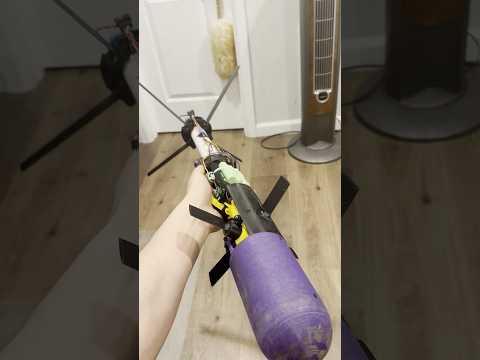](https://www.youtube.com/shorts/zFn__6_LdTc)
|
||||
|
||||
**Full System Overview (5 minutes)**
|
||||
https://www.youtube.com/watch?v=DDO2EvXyncE&t=54s
|
||||
## Full System Overview (5 Minutes)
|
||||
|
||||
**Full Development Media and Documentation**
|
||||
https://drive.google.com/drive/folders/17zpks6_R59H0iXJaGkTrtp1SzIFFAQtY?usp=sharing
|
||||
[](https://www.youtube.com/watch?v=DDO2EvXyncE&t=59s)
|
||||
|
||||
The Google Drive archive contains additional development media and documentation including:
|
||||
---
|
||||
|
||||
- mechanical design and assembly
|
||||
- system electronics and firmware testing
|
||||
- launch tests and rocket motor development
|
||||
- system flow diagram
|
||||
- rocket specifications
|
||||
- bill of materials and cost breakdown
|
||||
## Full Development Media and Documentation
|
||||
https://drive.google.com/drive/folders/17zpks6_R59H0iXJaGkTrtp1SzIFFAQtY?usp=drive_link
|
||||
|
||||
The Google Drive archive contains additional development media and documentation, including:
|
||||
|
||||
- Mechanical design and assembly
|
||||
- System electronics and firmware testing
|
||||
- Launch testing and rocket motor development
|
||||
- System flow diagrams
|
||||
- Rocket specifications
|
||||
- Bill of materials and cost breakdown
|
||||
|
||||
---
|
||||
|
||||
## Project Overview
|
||||
|
||||
This project is a proof-of-concept prototype of a low-cost rocket launcher and guided rocket system built using consumer electronics and 3D-printed components. The rocket uses folding fins and canard stabilization controlled by an onboard ESP32 flight computer and MPU6050 inertial measurement unit, while the launcher integrates sensors such as GPS, compass, and barometric modules for orientation and telemetry. The system was designed in Fusion 360, simulated using OpenRocket, and developed through iterative mechanical, electronics, and launch testing. The total hardware cost of the prototype is approximately **$96**.
|
||||
This project is a proof-of-concept prototype of a low-cost rocket launcher and guided rocket system built using consumer electronics and 3D-printed components.
|
||||
|
||||
The rocket uses folding fins and canard stabilization controlled by an onboard ESP32 flight computer and MPU6050 inertial measurement unit. The launcher integrates sensors such as GPS, compass, and barometric modules to determine orientation and provide telemetry.
|
||||
|
||||
The system was designed in Fusion 360, simulated using OpenRocket, and developed through iterative mechanical design, electronics integration, and launch testing.
|
||||
|
||||
The total hardware cost of the prototype is approximately **$96**.
|
||||
|
||||
---
|
||||
|
||||
## Repository Contents
|
||||
|
||||
This repository contains the core engineering components of the project:
|
||||
|
||||
- mechanical CAD files for the rocket and launcher
|
||||
- firmware source code for the rocket flight controller and launcher system
|
||||
- Mechanical CAD files for the rocket and launcher
|
||||
- Firmware source code for the rocket flight controller and launcher system
|
||||
- OpenRocket simulation files used for aerodynamic stability analysis
|
||||
- Supporting project documentation
|
||||
|
||||

|
Before Width: | Height: | Size: 82 KiB After Width: | Height: | Size: 82 KiB |
106
docs/WIRING.md
Normal file
106
docs/WIRING.md
Normal file
@@ -0,0 +1,106 @@
|
||||
# Wiring Reference
|
||||
|
||||
Pin assignments reverse-engineered from the firmware source code.
|
||||
|
||||
---
|
||||
|
||||
## Rocket Flight Computer (ESP32 DevKit V1)
|
||||
|
||||
### Servo Connections
|
||||
| Function | GPIO Pin | Servo Position |
|
||||
|----------------|----------|----------------|
|
||||
| Left Canard | 26 | Left side |
|
||||
| Right Canard | 25 | Right side |
|
||||
| Up Canard | 27 | Top |
|
||||
| Down Canard | 14 | Bottom |
|
||||
| Ignition Servo | 13 | Motor bay |
|
||||
|
||||
### Servo Center Calibration (from firmware defaults)
|
||||
| Servo | Center Angle | Max Deflection |
|
||||
|-------|-------------|----------------|
|
||||
| Left | 115° | ±15° |
|
||||
| Right | 80° | ±15° |
|
||||
| Up | 80° | ±15° |
|
||||
| Down | 115° | ±15° |
|
||||
|
||||
### I2C Bus (MPU6050)
|
||||
| Signal | GPIO Pin |
|
||||
|--------|----------|
|
||||
| SDA | 21 |
|
||||
| SCL | 22 |
|
||||
|
||||
### UART to Launcher
|
||||
| Signal | GPIO Pin | Baud Rate |
|
||||
|--------|----------|-----------|
|
||||
| TX2 | 17 | 115200 |
|
||||
| RX2 | 16 | 115200 |
|
||||
|
||||
---
|
||||
|
||||
## Launcher Ground Station (ESP32 DevKit V1)
|
||||
|
||||
### I2C Bus (shared by MPU6050, QMC5883L, BMP180)
|
||||
| Signal | GPIO Pin |
|
||||
|--------|----------|
|
||||
| SDA | 21 |
|
||||
| SCL | 22 |
|
||||
|
||||
### I2C Device Addresses
|
||||
| Device | Address |
|
||||
|-----------|---------|
|
||||
| MPU6050 | 0x68 |
|
||||
| QMC5883L | 0x0D |
|
||||
| BMP180 | 0x77 |
|
||||
|
||||
### GPS Module (Serial1)
|
||||
| Signal | GPIO Pin | Baud Rate |
|
||||
|--------|----------|-----------|
|
||||
| RX1 | 34 | 9600 |
|
||||
|
||||
> Note: GPS TX connects to ESP32 RX1 (pin 34). Pin 34 is input-only on ESP32.
|
||||
|
||||
### UART to Rocket (Serial2)
|
||||
| Signal | GPIO Pin | Baud Rate |
|
||||
|--------|----------|-----------|
|
||||
| TX2 | 17 | 115200 |
|
||||
| RX2 | 16 | 115200 |
|
||||
|
||||
### Control Switches & Indicators
|
||||
| Function | GPIO Pin | Type | Notes |
|
||||
|---------------|----------|-------------------|------------------------|
|
||||
| Arm Switch | 15 | Toggle Switch | HIGH = armed |
|
||||
| Launch Button | 4 | Momentary (N.O.) | INPUT_PULLUP, active LOW |
|
||||
| Status LED | 2 | LED (5mm) | Onboard or external |
|
||||
| Buzzer | 5 | Active Buzzer | LOW-trigger |
|
||||
| Ignition Servo| 13 | SG90 Micro Servo | Launcher-side ignition |
|
||||
|
||||
### WiFi Configuration
|
||||
| Parameter | Value |
|
||||
|------------|--------------------|
|
||||
| Mode | SoftAP (Access Point) |
|
||||
| SSID | `ROCKET_LAUNCHER` |
|
||||
| Password | `launchpad1` |
|
||||
| IP Address | 192.168.4.1 |
|
||||
| UDP Port | 4444 |
|
||||
|
||||
---
|
||||
|
||||
## Dashboard (Python)
|
||||
|
||||
Connects to the launcher's WiFi AP and communicates via UDP.
|
||||
|
||||
| Parameter | Value |
|
||||
|--------------|---------------|
|
||||
| Listen IP | 0.0.0.0 |
|
||||
| Listen Port | 4444 |
|
||||
| Launcher IP | 192.168.4.1 |
|
||||
|
||||
### Telemetry Protocol (UDP ASCII)
|
||||
| Direction | Format | Example |
|
||||
|-----------------|-------------------------------------|----------------------------|
|
||||
| Rocket → PC | `T,<ms>,<roll>,<rate>,<output>` | `T,1234,5.2,-3.1,4` |
|
||||
| Rocket → PC | `STATUS:<state>,<Kp>,<Kd>,<skew>` | `STATUS:FLIGHT,0.5,0.2,1.3` |
|
||||
| Launcher → PC | `ENV,<lat>,<lon>,<alt>,<gps_state>` | `ENV,34.1467,-118.3885,200.5,2` |
|
||||
| PC → Rocket | `PID,<Kp>,<Kd>` | `PID,0.8,0.3` |
|
||||
| PC → Rocket | `launch` | `launch` |
|
||||
| PC → Rocket | `calibrate` | `calibrate` |
|
||||
Reference in New Issue
Block a user