Compare commits
15 Commits
0.0.1
...
2aee0765aa
| Author | SHA1 | Date | |
|---|---|---|---|
| 2aee0765aa | |||
| 7df8521478 | |||
| 801f0f588f | |||
| fa8f4312df | |||
| 7c1c22d214 | |||
| 9afea58ec2 | |||
| 0722e5f032 | |||
| 20c1388cf4 | |||
| 0333680a2b | |||
| de23b3e815 | |||
| 2e73689762 | |||
| d5de31eda7 | |||
| b8714e52de | |||
| f5741ef60b | |||
| 31add1984b |

2
.gitignore
vendored
2
.gitignore
vendored
@@ -1 +1,3 @@
|
||||
cover.html
|
||||
.DS_Store
|
||||
build
|
||||
|
||||
86
AGENTS.md
Normal file
86
AGENTS.md
Normal file
@@ -0,0 +1,86 @@
|
||||
# Conduit — Agent Guidelines
|
||||
|
||||
## Project Overview
|
||||
|
||||
Conduit is a self-hosted tunneling service (Go, single binary). A **server** (`conduit serve`) runs on a public host and routes incoming HTTP requests by subdomain to registered **tunnels**. A **client** (`conduit tunnel`) connects via WebSocket, receives forwarded traffic, and relays it to a local target using either an HTTP reverse-proxy or raw TCP dial.
|
||||
|
||||
## Build & Test
|
||||
|
||||
```bash
|
||||
# Build all platforms
|
||||
make build_local
|
||||
|
||||
# Run tests
|
||||
make tests # includes coverage
|
||||
|
||||
# Lint
|
||||
golangci-lint run
|
||||
```
|
||||
|
||||
Go 1.25+ is required (`go.mod`). Nix devshell provides Go, gopls, golangci-lint.
|
||||
|
||||
## Architecture at a Glance
|
||||
|
||||
```
|
||||
server/server.go — net/http.Server, ServeHTTP routes by Host subdomain to tunnel or control API
|
||||
tunnel/tunnel.go — Core Tunnel struct, WebSocket message loop, stream management
|
||||
tunnel/forwarder.go — Forwarder interface; HTTP/HTTPS → HTTP forwarder, everything else → TCP
|
||||
tunnel/http_forwarder.go — httputil.ReverseProxy served over net.Pipe via multiConnListener
|
||||
tunnel/tcp_forwarder.go — Direct net.Dial TCP forwarding
|
||||
tunnel/stream.go — Stream interface (io.ReadWriteCloser + Source/Target)
|
||||
server/reconstructed_conn.go — Replays re-serialized headers + buffered body + raw conn after hijack
|
||||
store/store.go — In-memory request/response recorder with pub/sub (SSE)
|
||||
web/web.go — Local tunnel monitor (port 8181), SSE endpoint
|
||||
config/config.go — Reflection-based config from struct tags → flags + env vars
|
||||
pkg/maps/map.go — Generic sync.RWMutex-guarded map
|
||||
```
|
||||
|
||||
## Code Conventions
|
||||
|
||||
- **Go style**: standard `gofmt`, golangci-lint with `.golangci.toml`
|
||||
- **Comment style**: Title Case heading above logical blocks (see root `AGENTS.md`)
|
||||
- **Config**: add struct tags (`json`, `default`, `description`) to `ServerConfig` or `ClientConfig` — flags and env vars are auto-derived
|
||||
- **Logging**: use `logrus` (`log` alias); structured fields preferred
|
||||
- **Concurrency**: use `pkg/maps.Map` for shared maps; protect other shared state with `sync.Mutex`
|
||||
- **Error handling**: return errors up; log at command/entry-point level. Use `fmt.Errorf` with `%w` for wrapping
|
||||
|
||||
## Key Patterns
|
||||
|
||||
1. **ServeHTTP + Hijack for tunnel routing**: The server uses `net/http.Server` with a `ServeHTTP` handler. It inspects the `Host` header to determine routing. Control API requests are handled normally via `http.ResponseWriter`. Tunnel requests hijack the TCP connection, re-serialize the HTTP request, and forward it through the tunnel via `reconstructedConn`.
|
||||
2. **Reconstructed connection**: After hijack, `reconstructedConn` combines re-serialized request headers, buffered body data from the hijacked `bufio.ReadWriter`, and the raw connection into a single `io.Reader` so the tunnel client receives the complete request.
|
||||
3. **Forwarder abstraction**: `Forwarder` interface decouples tunnel transport from protocol handling. `NewForwarder` only uses `url.Parse` for `http://`/`https://` schemes; everything else (including parse failures like bare `host:port`) is treated as raw TCP. HTTP forwarder uses `net.Pipe` + `multiConnListener` to feed connections into a standard `http.Server`.
|
||||
4. **Context-threaded records**: Request records are attached to context in `RecordRequest` and retrieved in `RecordResponse` via the `ModifyResponse` hook.
|
||||
|
||||
## Adding a New Forwarder
|
||||
|
||||
1. Implement `tunnel.Forwarder` interface (`Type()`, `Initialize()`, `Start()`)
|
||||
2. Add a case in `tunnel.NewForwarder()` factory
|
||||
3. Add corresponding `ForwarderType` const
|
||||
|
||||
## Testing
|
||||
|
||||
E2E tests live in `e2e_test.go` at the project root. They spin up real servers, tunnels, and targets on random ports.
|
||||
|
||||
```bash
|
||||
# Run all tests
|
||||
make tests
|
||||
|
||||
# Run specific test
|
||||
go test -v -run TestHTTPTunnelRoundTrip -count=1 ./...
|
||||
```
|
||||
|
||||
16 tests covering: HTTP round-trip (GET/POST), TCP echo, large bodies (1MB resp / 512KB req), response quality (headers, content-type, content-length), error paths (404, 401, duplicate name), multi-tunnel routing, concurrency, and graceful shutdown.
|
||||
|
||||
## File Locations
|
||||
|
||||
| Concern | Files |
|
||||
|---------|-------|
|
||||
| CLI entry | `main.go`, `cmd/` |
|
||||
| Server | `server/` |
|
||||
| Tunneling | `tunnel/` |
|
||||
| Config | `config/` |
|
||||
| Storage | `store/` |
|
||||
| Web UI | `web/`, `web/pages/` |
|
||||
| Shared types | `types/` |
|
||||
| Utilities | `pkg/maps/` |
|
||||
| E2E tests | `e2e_test.go` |
|
||||
@@ -3,7 +3,7 @@ FROM alpine AS alpine
|
||||
RUN apk update && apk add --no-cache ca-certificates tzdata
|
||||
|
||||
# Build Image
|
||||
FROM golang:1.24 AS build
|
||||
FROM golang:1.25 AS build
|
||||
|
||||
# Create Package Directory
|
||||
RUN mkdir -p /opt/conduit
|
||||
|
||||
145
README.md
145
README.md
@@ -1,14 +1,143 @@
|
||||
# Conduit
|
||||
|
||||
A lightweight tunneling service that enables secure connection forwarding through a remote server.
|
||||
A lightweight tunneling service that exposes local services to the internet through a public server — similar to ngrok, but self-hosted.
|
||||
|
||||
**How:** Deploy Conduit on a public server (e.g., `https://conduit.example.com`) to create tunnels from local services to the internet. Simply point a tunnel to your local endpoint (such as `localhost:8000`) and assign it a custom subdomain identifier like `black-fox-123`. Your local service becomes instantly accessible at `https://black-fox-123.conduit.example.com`.
|
||||
Deploy Conduit on a public server (e.g., `https://conduit.example.com`), then create tunnels from your local machine. Point a tunnel at a local endpoint (e.g., `localhost:8000`) and it becomes accessible at a subdomain like `https://black-fox-123.conduit.example.com`.
|
||||
|
||||
**Key Benefits:**
|
||||
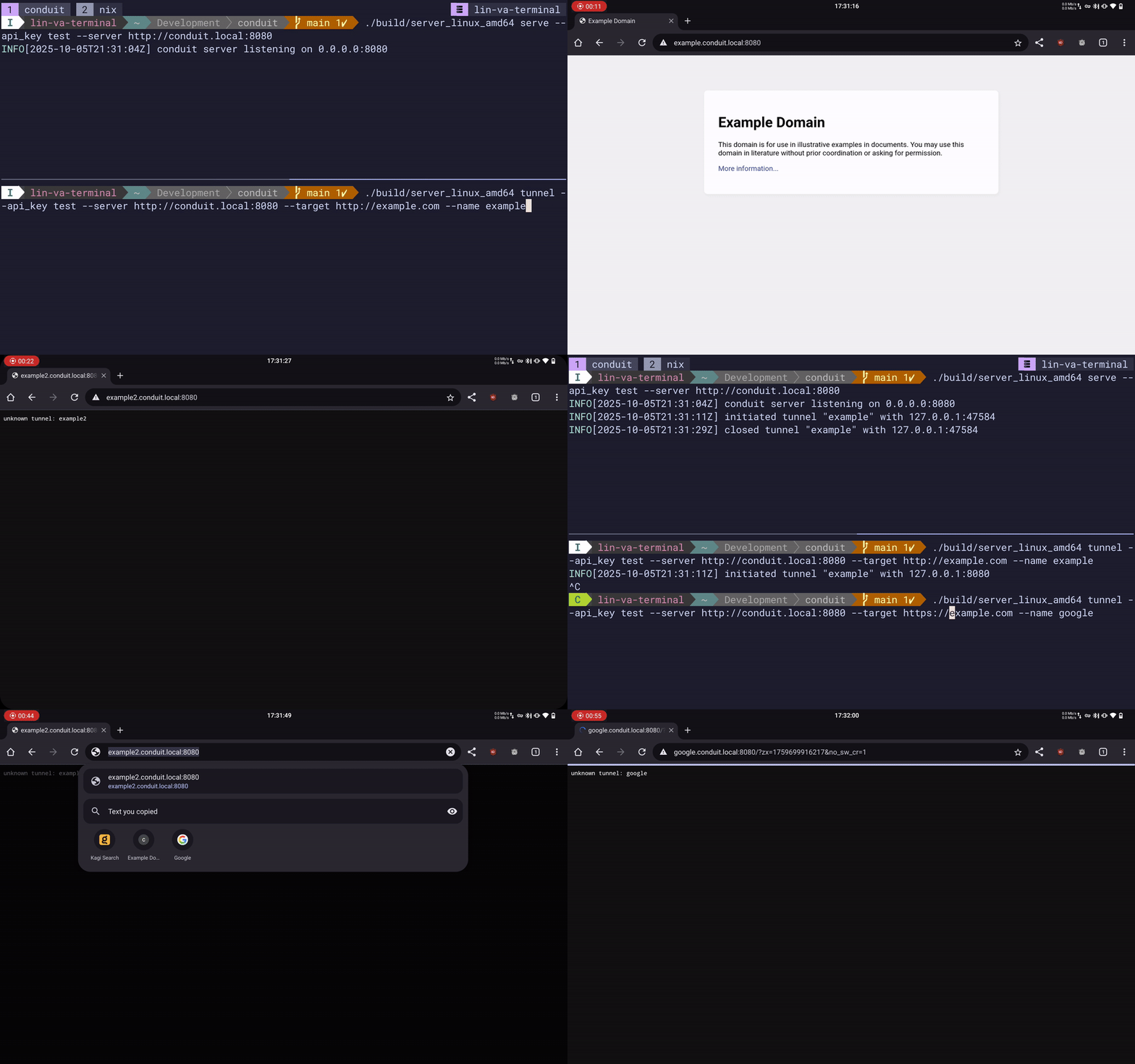
|
||||
|
||||
- Expose local development servers to the internet
|
||||
- Share work-in-progress applications with clients or teammates
|
||||
- Test webhooks and external integrations
|
||||
- Bypass firewall restrictions for remote access
|
||||
## Features
|
||||
|
||||
Perfect for developers who need quick, temporary public access to local services without complex networking setup.
|
||||
- **HTTP & TCP tunneling** — automatically detected based on the target scheme
|
||||
- **Subdomain routing** — each tunnel gets a unique subdomain on the server
|
||||
- **Auto-generated tunnel names** — random `color-animal-number` names when none is provided
|
||||
- **Local tunnel monitor** — web UI on `:8181` with SSE-based live request/response inspection
|
||||
- **API key authentication** — simple shared-key auth between client and server
|
||||
- **Minimal footprint** — single binary, no external dependencies
|
||||
|
||||
## Architecture
|
||||
|
||||
```
|
||||
┌──────────────┐ WebSocket ┌──────────────────┐
|
||||
│ conduit │◄──────────────────────────► │ conduit │
|
||||
│ tunnel │ (control + streams) │ serve │
|
||||
│ (client) │ │ (public server) │
|
||||
├──────────────┤ ├──────────────────┤
|
||||
│ HTTP Fwd or │ │ http.Server │
|
||||
│ TCP Fwd │ │ Subdomain router │
|
||||
├──────────────┤ │ WS upgrade │
|
||||
│ Tunnel │ └──────────────────┘
|
||||
│ Monitor :8181│
|
||||
└──────────────┘
|
||||
```
|
||||
|
||||
The server uses `net/http.Server` to accept connections and inspects the HTTP `Host` header for routing. Requests to the base domain hit the control API; requests to subdomains are hijacked and forwarded over WebSocket to the matching tunnel client. The client then forwards traffic to the local target via either a reverse-proxy (HTTP) or direct TCP dial.
|
||||
|
||||
## Quick Start
|
||||
|
||||
### Prerequisites
|
||||
|
||||
- Go 1.25+ (or Docker)
|
||||
|
||||
### Build
|
||||
|
||||
```bash
|
||||
# Local build (all platforms)
|
||||
make build_local
|
||||
|
||||
# Docker
|
||||
make docker_build_local
|
||||
```
|
||||
|
||||
### Server
|
||||
|
||||
Run the server on a publicly accessible host:
|
||||
|
||||
```bash
|
||||
conduit serve \
|
||||
--server https://conduit.example.com \
|
||||
--bind 0.0.0.0:8080 \
|
||||
--api_key your-secret-key
|
||||
```
|
||||
|
||||
Or with Docker:
|
||||
|
||||
```bash
|
||||
docker run -p 8080:8080 \
|
||||
-e CONDUIT_SERVER=https://conduit.example.com \
|
||||
-e CONDUIT_API_KEY=your-secret-key \
|
||||
conduit:latest
|
||||
```
|
||||
|
||||
### Client
|
||||
|
||||
Create a tunnel to expose a local service:
|
||||
|
||||
```bash
|
||||
# HTTP tunnel (auto-generates name)
|
||||
conduit tunnel \
|
||||
--server https://conduit.example.com \
|
||||
--api_key your-secret-key \
|
||||
--target http://localhost:8000
|
||||
|
||||
# Named TCP tunnel
|
||||
conduit tunnel \
|
||||
--server https://conduit.example.com \
|
||||
--api_key your-secret-key \
|
||||
--name my-service \
|
||||
--target localhost:5432
|
||||
```
|
||||
|
||||
The local tunnel monitor is available at `http://localhost:8181` for HTTP tunnels.
|
||||
|
||||
## Configuration
|
||||
|
||||
All options can be set via CLI flags or environment variables (`CONDUIT_` prefix):
|
||||
|
||||
### Server (`conduit serve`)
|
||||
|
||||
| Flag | Env Var | Default | Description |
|
||||
|------|---------|---------|-------------|
|
||||
| `--server` | `CONDUIT_SERVER` | `http://localhost:8080` | Public server address |
|
||||
| `--api_key` | `CONDUIT_API_KEY` | — | API key (required) |
|
||||
| `--bind` | `CONDUIT_BIND` | `0.0.0.0:8080` | Listen address |
|
||||
| `--log_level` | `CONDUIT_LOG_LEVEL` | `info` | Log level |
|
||||
| `--log_format` | `CONDUIT_LOG_FORMAT` | `text` | Log format (`text` or `json`) |
|
||||
|
||||
### Client (`conduit tunnel`)
|
||||
|
||||
| Flag | Env Var | Default | Description |
|
||||
|------|---------|---------|-------------|
|
||||
| `--server` | `CONDUIT_SERVER` | `http://localhost:8080` | Conduit server address |
|
||||
| `--api_key` | `CONDUIT_API_KEY` | — | API key (required) |
|
||||
| `--name` | `CONDUIT_NAME` | (auto-generated) | Tunnel subdomain name |
|
||||
| `--target` | `CONDUIT_TARGET` | — | Local target address (required) |
|
||||
| `--log_level` | `CONDUIT_LOG_LEVEL` | `info` | Log level |
|
||||
| `--log_format` | `CONDUIT_LOG_FORMAT` | `text` | Log format (`text` or `json`) |
|
||||
|
||||
## Server API
|
||||
|
||||
| Endpoint | Description |
|
||||
|----------|-------------|
|
||||
| `/_conduit/tunnel?tunnelName=<name>&apiKey=<key>` | WebSocket tunnel registration |
|
||||
| `/_conduit/info?apiKey=<key>` | JSON list of active tunnels |
|
||||
|
||||
## Project Structure
|
||||
|
||||
```
|
||||
├── cmd/ # Cobra CLI commands (root, serve, tunnel)
|
||||
├── config/ # Configuration parsing & logging setup
|
||||
├── server/ # HTTP server, subdomain routing, hijack + WebSocket upgrade
|
||||
├── tunnel/ # Tunnel, Stream, and Forwarder abstractions
|
||||
├── store/ # In-memory request/response recording for the monitor
|
||||
├── web/ # Local tunnel monitor HTTP server & SSE streaming
|
||||
├── types/ # Shared message types
|
||||
├── pkg/maps/ # Generic concurrent map
|
||||
├── build/ # Compiled binaries (gitignored in practice)
|
||||
├── Dockerfile # Single-stage Docker build
|
||||
└── Makefile # Build & release targets
|
||||
```
|
||||
|
||||
## License
|
||||
|
||||
See repository for license details.
|
||||
|
||||
BIN
assets/example.gif
Normal file
BIN
assets/example.gif
Normal file

Binary file not shown.
|
After Width: | Height: | Size: 4.5 MiB |
159
client/client.go
159
client/client.go
@@ -1,159 +0,0 @@
|
||||
package client
|
||||
|
||||
import (
|
||||
"fmt"
|
||||
"net"
|
||||
"net/url"
|
||||
"sync"
|
||||
|
||||
"github.com/gorilla/websocket"
|
||||
log "github.com/sirupsen/logrus"
|
||||
"reichard.io/conduit/config"
|
||||
"reichard.io/conduit/types"
|
||||
)
|
||||
|
||||
func NewTunnel(cfg *config.ClientConfig) (*Tunnel, error) {
|
||||
// Parse Server URL
|
||||
serverURL, err := url.Parse(cfg.ServerAddress)
|
||||
if err != nil {
|
||||
return nil, err
|
||||
}
|
||||
|
||||
// Parse Scheme
|
||||
var wsScheme string
|
||||
switch serverURL.Scheme {
|
||||
case "https":
|
||||
wsScheme = "wss"
|
||||
case "http":
|
||||
wsScheme = "ws"
|
||||
default:
|
||||
return nil, fmt.Errorf("unsupported scheme: %s", serverURL.Scheme)
|
||||
}
|
||||
|
||||
// Create Tunnel Name
|
||||
if cfg.TunnelName == "" {
|
||||
cfg.TunnelName = generateTunnelName()
|
||||
log.Infof("tunnel name not provided; generated: %s", cfg.TunnelName)
|
||||
}
|
||||
|
||||
// Connect Server WS
|
||||
wsURL := fmt.Sprintf("%s://%s/_conduit/tunnel?tunnelName=%s&apiKey=%s", wsScheme, serverURL.Host, cfg.TunnelName, cfg.APIKey)
|
||||
serverConn, _, err := websocket.DefaultDialer.Dial(wsURL, nil)
|
||||
if err != nil {
|
||||
return nil, fmt.Errorf("failed to connect: %v", err)
|
||||
}
|
||||
|
||||
return &Tunnel{
|
||||
name: cfg.TunnelName,
|
||||
target: cfg.TunnelTarget,
|
||||
serverURL: serverURL,
|
||||
serverConn: serverConn,
|
||||
localConns: make(map[string]net.Conn),
|
||||
}, nil
|
||||
|
||||
}
|
||||
|
||||
type Tunnel struct {
|
||||
name string
|
||||
target string
|
||||
serverURL *url.URL
|
||||
|
||||
serverConn *websocket.Conn
|
||||
localConns map[string]net.Conn
|
||||
mu sync.RWMutex
|
||||
}
|
||||
|
||||
func (t *Tunnel) Start() error {
|
||||
log.Infof("starting tunnel: %s.%s -> %s\n", t.name, t.serverURL.Hostname(), t.target)
|
||||
defer t.serverConn.Close()
|
||||
|
||||
// Handle Messages
|
||||
for {
|
||||
// Read Message
|
||||
var msg types.Message
|
||||
err := t.serverConn.ReadJSON(&msg)
|
||||
if err != nil {
|
||||
log.Errorf("error reading from tunnel: %v", err)
|
||||
break
|
||||
}
|
||||
|
||||
switch msg.Type {
|
||||
case types.MessageTypeData:
|
||||
localConn, err := t.getLocalConn(msg.StreamID)
|
||||
if err != nil {
|
||||
log.Errorf("failed to get local connection: %v", err)
|
||||
continue
|
||||
}
|
||||
|
||||
// Write data to local connection
|
||||
if _, err := localConn.Write(msg.Data); err != nil {
|
||||
log.Errorf("error writing to local connection: %v", err)
|
||||
localConn.Close()
|
||||
t.mu.Lock()
|
||||
delete(t.localConns, msg.StreamID)
|
||||
t.mu.Unlock()
|
||||
}
|
||||
|
||||
case types.MessageTypeClose:
|
||||
t.mu.Lock()
|
||||
if localConn, exists := t.localConns[msg.StreamID]; exists {
|
||||
localConn.Close()
|
||||
delete(t.localConns, msg.StreamID)
|
||||
}
|
||||
t.mu.Unlock()
|
||||
}
|
||||
}
|
||||
|
||||
return nil
|
||||
}
|
||||
|
||||
func (t *Tunnel) getLocalConn(streamID string) (net.Conn, error) {
|
||||
// Get Cached Connection
|
||||
t.mu.RLock()
|
||||
localConn, exists := t.localConns[streamID]
|
||||
t.mu.RUnlock()
|
||||
if exists {
|
||||
return localConn, nil
|
||||
}
|
||||
|
||||
// Initiate Connection & Cache
|
||||
localConn, err := net.Dial("tcp", t.target)
|
||||
if err != nil {
|
||||
log.Errorf("failed to connect to %s: %v", t.target, err)
|
||||
return nil, err
|
||||
}
|
||||
t.mu.Lock()
|
||||
t.localConns[streamID] = localConn
|
||||
t.mu.Unlock()
|
||||
|
||||
// Start Response Relay & Return Connection
|
||||
go t.startResponseRelay(streamID, localConn)
|
||||
return localConn, nil
|
||||
}
|
||||
|
||||
func (t *Tunnel) startResponseRelay(streamID string, localConn net.Conn) {
|
||||
defer func() {
|
||||
t.mu.Lock()
|
||||
delete(t.localConns, streamID)
|
||||
t.mu.Unlock()
|
||||
localConn.Close()
|
||||
}()
|
||||
|
||||
buffer := make([]byte, 4096)
|
||||
for {
|
||||
n, err := localConn.Read(buffer)
|
||||
if err != nil {
|
||||
break
|
||||
}
|
||||
|
||||
response := types.Message{
|
||||
Type: types.MessageTypeData,
|
||||
StreamID: streamID,
|
||||
Data: buffer[:n],
|
||||
}
|
||||
|
||||
if err := t.serverConn.WriteJSON(response); err != nil {
|
||||
break
|
||||
}
|
||||
}
|
||||
}
|
||||
@@ -1,6 +1,8 @@
|
||||
package cmd
|
||||
|
||||
import (
|
||||
"context"
|
||||
|
||||
"reichard.io/conduit/config"
|
||||
"reichard.io/conduit/server"
|
||||
|
||||
@@ -19,8 +21,11 @@ var serveCmd = &cobra.Command{
|
||||
log.Fatal("failed to get server config:", err)
|
||||
}
|
||||
|
||||
ctx, cancel := context.WithCancel(context.Background())
|
||||
defer cancel()
|
||||
|
||||
// Create Server
|
||||
srv, err := server.NewServer(cfg)
|
||||
srv, err := server.NewServer(ctx, cfg)
|
||||
if err != nil {
|
||||
log.Fatal("failed to create server:", err)
|
||||
}
|
||||
|
||||
@@ -1,10 +1,18 @@
|
||||
package cmd
|
||||
|
||||
import (
|
||||
"context"
|
||||
"os"
|
||||
"os/signal"
|
||||
"sync"
|
||||
"syscall"
|
||||
|
||||
log "github.com/sirupsen/logrus"
|
||||
"github.com/spf13/cobra"
|
||||
"reichard.io/conduit/client"
|
||||
"reichard.io/conduit/config"
|
||||
"reichard.io/conduit/store"
|
||||
"reichard.io/conduit/tunnel"
|
||||
"reichard.io/conduit/web"
|
||||
)
|
||||
|
||||
var tunnelCmd = &cobra.Command{
|
||||
@@ -17,17 +25,39 @@ var tunnelCmd = &cobra.Command{
|
||||
log.Fatal("failed to get client config:", err)
|
||||
}
|
||||
|
||||
var wg sync.WaitGroup
|
||||
ctx, cancel := context.WithCancel(context.Background())
|
||||
defer cancel()
|
||||
|
||||
// Create Tunnel Store
|
||||
tunnelStore := store.NewTunnelStore(100)
|
||||
|
||||
// Create Forwarder
|
||||
tunnelForwarder, err := tunnel.NewForwarder(cfg.TunnelTarget, tunnelStore)
|
||||
if err != nil {
|
||||
log.Fatal("failed to create tunnel forwarder:", err)
|
||||
}
|
||||
wg.Go(func() { tunnelForwarder.Start(ctx) })
|
||||
|
||||
// Create Tunnel
|
||||
tunnel, err := client.NewTunnel(cfg)
|
||||
tunnel, err := tunnel.NewClientTunnel(cfg, tunnelForwarder)
|
||||
if err != nil {
|
||||
log.Fatal("failed to create tunnel:", err)
|
||||
}
|
||||
wg.Go(func() { tunnel.Start(ctx) })
|
||||
|
||||
// Start Tunnel
|
||||
log.Infof("creating TCP tunnel: %s -> %s", cfg.TunnelName, cfg.TunnelTarget)
|
||||
if err := tunnel.Start(); err != nil {
|
||||
log.Fatal("failed to start tunnel:", err)
|
||||
}
|
||||
// Create Server
|
||||
webServer := web.NewWebServer(tunnelStore)
|
||||
wg.Go(func() { webServer.Start(ctx) })
|
||||
|
||||
// Wait Interrupt
|
||||
sigChan := make(chan os.Signal, 1)
|
||||
signal.Notify(sigChan, os.Interrupt, syscall.SIGTERM)
|
||||
<-sigChan
|
||||
|
||||
log.Println("Shutting Down...")
|
||||
cancel()
|
||||
wg.Wait()
|
||||
},
|
||||
}
|
||||
|
||||
|
||||
@@ -23,6 +23,8 @@ type ConfigDef struct {
|
||||
type BaseConfig struct {
|
||||
ServerAddress string `json:"server" description:"Conduit server address" default:"http://localhost:8080"`
|
||||
APIKey string `json:"api_key" description:"API Key for the conduit API"`
|
||||
LogLevel string `json:"log_level" default:"info" description:"Log level"`
|
||||
LogFormat string `json:"log_format" default:"text" description:"Log format - text or json"`
|
||||
}
|
||||
|
||||
func (c *BaseConfig) Validate() error {
|
||||
@@ -35,6 +37,9 @@ func (c *BaseConfig) Validate() error {
|
||||
if _, err := url.Parse(c.ServerAddress); err != nil {
|
||||
return fmt.Errorf("server is invalid: %w", err)
|
||||
}
|
||||
if c.LogFormat != "text" && c.LogFormat != "json" {
|
||||
return fmt.Errorf("log format must be 'text' or 'json'")
|
||||
}
|
||||
return nil
|
||||
}
|
||||
|
||||
@@ -68,13 +73,13 @@ func GetServerConfig(cmdFlags *pflag.FlagSet) (*ServerConfig, error) {
|
||||
}
|
||||
|
||||
cfg := &ServerConfig{
|
||||
BaseConfig: BaseConfig{
|
||||
ServerAddress: cfgValues["server"],
|
||||
APIKey: cfgValues["api_key"],
|
||||
},
|
||||
BaseConfig: getBaseConfig(cfgValues),
|
||||
BindAddress: cfgValues["bind"],
|
||||
}
|
||||
|
||||
// Initialize Logger
|
||||
initLogger(cfg.BaseConfig)
|
||||
|
||||
return cfg, cfg.Validate()
|
||||
}
|
||||
|
||||
@@ -87,14 +92,14 @@ func GetClientConfig(cmdFlags *pflag.FlagSet) (*ClientConfig, error) {
|
||||
}
|
||||
|
||||
cfg := &ClientConfig{
|
||||
BaseConfig: BaseConfig{
|
||||
ServerAddress: cfgValues["server"],
|
||||
APIKey: cfgValues["api_key"],
|
||||
},
|
||||
BaseConfig: getBaseConfig(cfgValues),
|
||||
TunnelName: cfgValues["name"],
|
||||
TunnelTarget: cfgValues["target"],
|
||||
}
|
||||
|
||||
// Initialize Logger
|
||||
initLogger(cfg.BaseConfig)
|
||||
|
||||
return cfg, cfg.Validate()
|
||||
}
|
||||
|
||||
@@ -108,10 +113,19 @@ func GetVersion() string {
|
||||
return version
|
||||
}
|
||||
|
||||
func getBaseConfig(cfgValues map[string]string) BaseConfig {
|
||||
return BaseConfig{
|
||||
ServerAddress: cfgValues["server"],
|
||||
APIKey: cfgValues["api_key"],
|
||||
LogLevel: cfgValues["log_level"],
|
||||
LogFormat: cfgValues["log_format"],
|
||||
}
|
||||
}
|
||||
|
||||
func getConfigValue(cmdFlags *pflag.FlagSet, def ConfigDef) string {
|
||||
// 1. Get Flags First
|
||||
if cmdFlags != nil {
|
||||
if val, err := cmdFlags.GetString(def.Key); err == nil && val != "" {
|
||||
if val, err := cmdFlags.GetString(def.Key); err == nil && val != "" && val != def.Default {
|
||||
return val
|
||||
}
|
||||
}
|
||||
|
||||
61
config/logging.go
Normal file
61
config/logging.go
Normal file
@@ -0,0 +1,61 @@
|
||||
package config
|
||||
|
||||
import (
|
||||
"fmt"
|
||||
"runtime"
|
||||
"strings"
|
||||
"time"
|
||||
|
||||
log "github.com/sirupsen/logrus"
|
||||
)
|
||||
|
||||
func initLogger(cfg BaseConfig) {
|
||||
// Parse Log Level
|
||||
logLevel, err := log.ParseLevel(cfg.LogLevel)
|
||||
if err != nil {
|
||||
logLevel = log.InfoLevel
|
||||
}
|
||||
log.SetLevel(logLevel)
|
||||
|
||||
// Create Log Formatter
|
||||
var logFormatter log.Formatter
|
||||
switch cfg.LogFormat {
|
||||
case "json":
|
||||
log.SetReportCaller(true)
|
||||
logFormatter = &log.JSONFormatter{
|
||||
TimestampFormat: time.RFC3339,
|
||||
CallerPrettyfier: prettyCaller,
|
||||
}
|
||||
case "text":
|
||||
logFormatter = &log.TextFormatter{
|
||||
TimestampFormat: time.RFC3339,
|
||||
FullTimestamp: true,
|
||||
}
|
||||
}
|
||||
|
||||
log.SetFormatter(&utcFormatter{logFormatter})
|
||||
}
|
||||
|
||||
func prettyCaller(f *runtime.Frame) (function string, file string) {
|
||||
purgePrefix := "reichard.io/conduit/"
|
||||
|
||||
pathName := strings.Replace(f.Func.Name(), purgePrefix, "", 1)
|
||||
parts := strings.Split(pathName, ".")
|
||||
|
||||
filepath, line := f.Func.FileLine(f.PC)
|
||||
splitFilePath := strings.Split(filepath, "/")
|
||||
|
||||
fileName := fmt.Sprintf("%s/%s@%d", parts[0], splitFilePath[len(splitFilePath)-1], line)
|
||||
functionName := strings.Replace(pathName, parts[0]+".", "", 1)
|
||||
|
||||
return functionName, fileName
|
||||
}
|
||||
|
||||
type utcFormatter struct {
|
||||
log.Formatter
|
||||
}
|
||||
|
||||
func (cf utcFormatter) Format(e *log.Entry) ([]byte, error) {
|
||||
e.Time = e.Time.UTC()
|
||||
return cf.Formatter.Format(e)
|
||||
}
|
||||
864
e2e_test.go
Normal file
864
e2e_test.go
Normal file
@@ -0,0 +1,864 @@
|
||||
package main
|
||||
|
||||
import (
|
||||
"context"
|
||||
"fmt"
|
||||
"io"
|
||||
"net"
|
||||
"net/http"
|
||||
"strings"
|
||||
"sync"
|
||||
"testing"
|
||||
"time"
|
||||
|
||||
"reichard.io/conduit/config"
|
||||
"reichard.io/conduit/server"
|
||||
"reichard.io/conduit/store"
|
||||
"reichard.io/conduit/tunnel"
|
||||
"reichard.io/conduit/web"
|
||||
)
|
||||
|
||||
// ---------- Helpers ----------
|
||||
|
||||
// startConduitServer creates and starts a conduit server on a random port.
|
||||
// Returns the server address (host:port) and a cancel func for teardown.
|
||||
func startConduitServer(t *testing.T, apiKey string) (string, context.CancelFunc) {
|
||||
t.Helper()
|
||||
|
||||
// Find Free Port
|
||||
port := getFreePort(t)
|
||||
bindAddr := fmt.Sprintf("127.0.0.1:%d", port)
|
||||
serverAddr := fmt.Sprintf("http://%s", bindAddr)
|
||||
|
||||
cfg := &config.ServerConfig{
|
||||
BaseConfig: config.BaseConfig{
|
||||
ServerAddress: serverAddr,
|
||||
APIKey: apiKey,
|
||||
LogLevel: "error",
|
||||
LogFormat: "text",
|
||||
},
|
||||
BindAddress: bindAddr,
|
||||
}
|
||||
|
||||
ctx, cancel := context.WithCancel(context.Background())
|
||||
srv, err := server.NewServer(ctx, cfg)
|
||||
if err != nil {
|
||||
cancel()
|
||||
t.Fatalf("failed to create server: %v", err)
|
||||
}
|
||||
|
||||
// Start Server in Background
|
||||
errCh := make(chan error, 1)
|
||||
go func() { errCh <- srv.Start() }()
|
||||
|
||||
// Wait for Server to Accept
|
||||
waitForPort(t, bindAddr, 3*time.Second)
|
||||
|
||||
// Check Early Errors
|
||||
select {
|
||||
case err := <-errCh:
|
||||
cancel()
|
||||
t.Fatalf("server exited early: %v", err)
|
||||
default:
|
||||
}
|
||||
|
||||
return bindAddr, cancel
|
||||
}
|
||||
|
||||
// startHTTPTarget creates a simple HTTP server that echoes request info.
|
||||
func startHTTPTarget(t *testing.T) (string, context.CancelFunc) {
|
||||
t.Helper()
|
||||
|
||||
port := getFreePort(t)
|
||||
addr := fmt.Sprintf("127.0.0.1:%d", port)
|
||||
|
||||
mux := http.NewServeMux()
|
||||
mux.HandleFunc("/", func(w http.ResponseWriter, r *http.Request) {
|
||||
w.Header().Set("X-Test-Header", "present")
|
||||
w.WriteHeader(http.StatusOK)
|
||||
fmt.Fprintf(w, "echo: %s %s", r.Method, r.URL.Path)
|
||||
})
|
||||
mux.HandleFunc("/health", func(w http.ResponseWriter, r *http.Request) {
|
||||
w.WriteHeader(http.StatusOK)
|
||||
w.Write([]byte("ok"))
|
||||
})
|
||||
mux.HandleFunc("/post", func(w http.ResponseWriter, r *http.Request) {
|
||||
body, _ := io.ReadAll(r.Body)
|
||||
w.WriteHeader(http.StatusOK)
|
||||
fmt.Fprintf(w, "received: %s", string(body))
|
||||
})
|
||||
|
||||
srv := &http.Server{Addr: addr, Handler: mux}
|
||||
ctx, cancel := context.WithCancel(context.Background())
|
||||
|
||||
go func() { srv.ListenAndServe() }()
|
||||
go func() { <-ctx.Done(); srv.Close() }()
|
||||
|
||||
waitForPort(t, addr, 3*time.Second)
|
||||
|
||||
return addr, cancel
|
||||
}
|
||||
|
||||
// startTCPEchoTarget creates a TCP server that echoes back whatever it receives.
|
||||
func startTCPEchoTarget(t *testing.T) (string, context.CancelFunc) {
|
||||
t.Helper()
|
||||
|
||||
listener, err := net.Listen("tcp", "127.0.0.1:0")
|
||||
if err != nil {
|
||||
t.Fatalf("failed to start tcp echo: %v", err)
|
||||
}
|
||||
addr := listener.Addr().String()
|
||||
|
||||
ctx, cancel := context.WithCancel(context.Background())
|
||||
|
||||
go func() {
|
||||
<-ctx.Done()
|
||||
listener.Close()
|
||||
}()
|
||||
|
||||
go func() {
|
||||
for {
|
||||
conn, err := listener.Accept()
|
||||
if err != nil {
|
||||
return
|
||||
}
|
||||
go func(c net.Conn) {
|
||||
defer c.Close()
|
||||
io.Copy(c, c)
|
||||
}(conn)
|
||||
}
|
||||
}()
|
||||
|
||||
return addr, cancel
|
||||
}
|
||||
|
||||
// connectTunnel creates a conduit tunnel client and starts it.
|
||||
func connectTunnel(t *testing.T, serverAddr, targetAddr, tunnelName, apiKey string) context.CancelFunc {
|
||||
t.Helper()
|
||||
|
||||
cfg := &config.ClientConfig{
|
||||
BaseConfig: config.BaseConfig{
|
||||
ServerAddress: fmt.Sprintf("http://%s", serverAddr),
|
||||
APIKey: apiKey,
|
||||
LogLevel: "error",
|
||||
LogFormat: "text",
|
||||
},
|
||||
TunnelName: tunnelName,
|
||||
TunnelTarget: targetAddr,
|
||||
}
|
||||
|
||||
// Create Tunnel Store
|
||||
tunnelStore := store.NewTunnelStore(100)
|
||||
|
||||
// Create Forwarder
|
||||
forwarder, err := tunnel.NewForwarder(cfg.TunnelTarget, tunnelStore)
|
||||
if err != nil {
|
||||
t.Fatalf("failed to create forwarder: %v", err)
|
||||
}
|
||||
|
||||
var wg sync.WaitGroup
|
||||
ctx, cancel := context.WithCancel(context.Background())
|
||||
|
||||
// Start Forwarder
|
||||
wg.Add(1)
|
||||
go func() {
|
||||
defer wg.Done()
|
||||
forwarder.Start(ctx)
|
||||
}()
|
||||
|
||||
// Create & Start Tunnel
|
||||
tun, err := tunnel.NewClientTunnel(cfg, forwarder)
|
||||
if err != nil {
|
||||
cancel()
|
||||
t.Fatalf("failed to create tunnel: %v", err)
|
||||
}
|
||||
|
||||
wg.Add(1)
|
||||
go func() {
|
||||
defer wg.Done()
|
||||
tun.Start(ctx)
|
||||
}()
|
||||
|
||||
// Start Web Server
|
||||
webServer := web.NewWebServer(tunnelStore)
|
||||
wg.Add(1)
|
||||
go func() {
|
||||
defer wg.Done()
|
||||
webServer.Start(ctx)
|
||||
}()
|
||||
|
||||
// Brief Settle Time
|
||||
time.Sleep(100 * time.Millisecond)
|
||||
|
||||
cleanup := func() {
|
||||
cancel()
|
||||
wg.Wait()
|
||||
}
|
||||
return cleanup
|
||||
}
|
||||
|
||||
// sendHTTPViaTunnel sends an HTTP request through the conduit server to a tunnel.
|
||||
func sendHTTPViaTunnel(t *testing.T, serverAddr, tunnelName, method, path, body string) *http.Response {
|
||||
t.Helper()
|
||||
|
||||
url := fmt.Sprintf("http://%s%s", serverAddr, path)
|
||||
var bodyReader io.Reader
|
||||
if body != "" {
|
||||
bodyReader = strings.NewReader(body)
|
||||
}
|
||||
|
||||
req, err := http.NewRequest(method, url, bodyReader)
|
||||
if err != nil {
|
||||
t.Fatalf("failed to create request: %v", err)
|
||||
}
|
||||
|
||||
// Route via Subdomain
|
||||
req.Host = fmt.Sprintf("%s.%s", tunnelName, serverAddr)
|
||||
|
||||
client := &http.Client{
|
||||
Timeout: 10 * time.Second,
|
||||
Transport: &http.Transport{DisableKeepAlives: true},
|
||||
}
|
||||
resp, err := client.Do(req)
|
||||
if err != nil {
|
||||
t.Fatalf("request failed: %v", err)
|
||||
}
|
||||
return resp
|
||||
}
|
||||
|
||||
func readBody(t *testing.T, resp *http.Response) string {
|
||||
t.Helper()
|
||||
defer resp.Body.Close()
|
||||
b, err := io.ReadAll(resp.Body)
|
||||
if err != nil {
|
||||
t.Fatalf("failed to read body: %v", err)
|
||||
}
|
||||
return string(b)
|
||||
}
|
||||
|
||||
func getFreePort(t *testing.T) int {
|
||||
t.Helper()
|
||||
l, err := net.Listen("tcp", "127.0.0.1:0")
|
||||
if err != nil {
|
||||
t.Fatalf("failed to get free port: %v", err)
|
||||
}
|
||||
port := l.Addr().(*net.TCPAddr).Port
|
||||
l.Close()
|
||||
return port
|
||||
}
|
||||
|
||||
func waitForPort(t *testing.T, addr string, timeout time.Duration) {
|
||||
t.Helper()
|
||||
deadline := time.Now().Add(timeout)
|
||||
for time.Now().Before(deadline) {
|
||||
conn, err := net.DialTimeout("tcp", addr, 100*time.Millisecond)
|
||||
if err == nil {
|
||||
conn.Close()
|
||||
return
|
||||
}
|
||||
time.Sleep(25 * time.Millisecond)
|
||||
}
|
||||
t.Fatalf("port %s not ready after %s", addr, timeout)
|
||||
}
|
||||
|
||||
// ---------- Tests ----------
|
||||
|
||||
func TestHTTPTunnelRoundTrip(t *testing.T) {
|
||||
apiKey := "test-key-http"
|
||||
|
||||
// Start Target HTTP Server
|
||||
targetAddr, stopTarget := startHTTPTarget(t)
|
||||
defer stopTarget()
|
||||
|
||||
// Start Conduit Server
|
||||
serverAddr, stopServer := startConduitServer(t, apiKey)
|
||||
defer stopServer()
|
||||
|
||||
// Connect Tunnel
|
||||
stopTunnel := connectTunnel(t, serverAddr, fmt.Sprintf("http://%s", targetAddr), "http-test", apiKey)
|
||||
defer stopTunnel()
|
||||
|
||||
// GET /
|
||||
resp := sendHTTPViaTunnel(t, serverAddr, "http-test", "GET", "/", "")
|
||||
body := readBody(t, resp)
|
||||
|
||||
if resp.StatusCode != http.StatusOK {
|
||||
t.Errorf("expected 200, got %d", resp.StatusCode)
|
||||
}
|
||||
if !strings.Contains(body, "echo: GET /") {
|
||||
t.Errorf("unexpected body: %s", body)
|
||||
}
|
||||
|
||||
// GET /health
|
||||
resp = sendHTTPViaTunnel(t, serverAddr, "http-test", "GET", "/health", "")
|
||||
body = readBody(t, resp)
|
||||
|
||||
if resp.StatusCode != http.StatusOK {
|
||||
t.Errorf("expected 200, got %d", resp.StatusCode)
|
||||
}
|
||||
if body != "ok" {
|
||||
t.Errorf("expected 'ok', got %q", body)
|
||||
}
|
||||
}
|
||||
|
||||
func TestHTTPTunnelPOST(t *testing.T) {
|
||||
apiKey := "test-key-post"
|
||||
|
||||
// Start Target HTTP Server
|
||||
targetAddr, stopTarget := startHTTPTarget(t)
|
||||
defer stopTarget()
|
||||
|
||||
// Start Conduit Server
|
||||
serverAddr, stopServer := startConduitServer(t, apiKey)
|
||||
defer stopServer()
|
||||
|
||||
// Connect Tunnel
|
||||
stopTunnel := connectTunnel(t, serverAddr, fmt.Sprintf("http://%s", targetAddr), "post-test", apiKey)
|
||||
defer stopTunnel()
|
||||
|
||||
// POST /post
|
||||
resp := sendHTTPViaTunnel(t, serverAddr, "post-test", "POST", "/post", "hello world")
|
||||
body := readBody(t, resp)
|
||||
|
||||
if resp.StatusCode != http.StatusOK {
|
||||
t.Errorf("expected 200, got %d", resp.StatusCode)
|
||||
}
|
||||
if !strings.Contains(body, "received: hello world") {
|
||||
t.Errorf("unexpected body: %s", body)
|
||||
}
|
||||
}
|
||||
|
||||
func TestUnknownTunnelReturns404(t *testing.T) {
|
||||
apiKey := "test-key-404"
|
||||
|
||||
// Start Conduit Server
|
||||
serverAddr, stopServer := startConduitServer(t, apiKey)
|
||||
defer stopServer()
|
||||
|
||||
// Request to Non-Existent Tunnel
|
||||
resp := sendHTTPViaTunnel(t, serverAddr, "no-such-tunnel", "GET", "/", "")
|
||||
body := readBody(t, resp)
|
||||
|
||||
if resp.StatusCode != http.StatusNotFound {
|
||||
t.Errorf("expected 404, got %d", resp.StatusCode)
|
||||
}
|
||||
if !strings.Contains(body, "unknown tunnel") {
|
||||
t.Errorf("expected 'unknown tunnel' error, got: %s", body)
|
||||
}
|
||||
}
|
||||
|
||||
func TestDuplicateTunnelNameRejected(t *testing.T) {
|
||||
apiKey := "test-key-dup"
|
||||
|
||||
// Start Target HTTP Server
|
||||
targetAddr, stopTarget := startHTTPTarget(t)
|
||||
defer stopTarget()
|
||||
|
||||
// Start Conduit Server
|
||||
serverAddr, stopServer := startConduitServer(t, apiKey)
|
||||
defer stopServer()
|
||||
|
||||
// Connect First Tunnel
|
||||
stopTunnel1 := connectTunnel(t, serverAddr, fmt.Sprintf("http://%s", targetAddr), "dup-test", apiKey)
|
||||
defer stopTunnel1()
|
||||
|
||||
// Attempt Duplicate — this should fail at WebSocket dial
|
||||
cfg := &config.ClientConfig{
|
||||
BaseConfig: config.BaseConfig{
|
||||
ServerAddress: fmt.Sprintf("http://%s", serverAddr),
|
||||
APIKey: apiKey,
|
||||
LogLevel: "error",
|
||||
LogFormat: "text",
|
||||
},
|
||||
TunnelName: "dup-test",
|
||||
TunnelTarget: fmt.Sprintf("http://%s", targetAddr),
|
||||
}
|
||||
|
||||
tunnelStore := store.NewTunnelStore(100)
|
||||
forwarder, err := tunnel.NewForwarder(cfg.TunnelTarget, tunnelStore)
|
||||
if err != nil {
|
||||
t.Fatalf("failed to create forwarder: %v", err)
|
||||
}
|
||||
|
||||
_, err = tunnel.NewClientTunnel(cfg, forwarder)
|
||||
if err == nil {
|
||||
t.Error("expected error for duplicate tunnel name, got nil")
|
||||
}
|
||||
}
|
||||
|
||||
func TestUnauthorizedControlAccess(t *testing.T) {
|
||||
apiKey := "test-key-auth"
|
||||
|
||||
// Start Conduit Server
|
||||
serverAddr, stopServer := startConduitServer(t, apiKey)
|
||||
defer stopServer()
|
||||
|
||||
// Request Info with Wrong API Key
|
||||
url := fmt.Sprintf("http://%s/_conduit/info?apiKey=wrong-key", serverAddr)
|
||||
req, _ := http.NewRequest("GET", url, nil)
|
||||
req.Host = serverAddr
|
||||
|
||||
resp, err := http.DefaultClient.Do(req)
|
||||
if err != nil {
|
||||
t.Fatalf("request failed: %v", err)
|
||||
}
|
||||
defer resp.Body.Close()
|
||||
|
||||
if resp.StatusCode != http.StatusUnauthorized {
|
||||
t.Errorf("expected 401, got %d", resp.StatusCode)
|
||||
}
|
||||
}
|
||||
|
||||
func TestInfoEndpointListsTunnels(t *testing.T) {
|
||||
apiKey := "test-key-info"
|
||||
|
||||
// Start Target HTTP Server
|
||||
targetAddr, stopTarget := startHTTPTarget(t)
|
||||
defer stopTarget()
|
||||
|
||||
// Start Conduit Server
|
||||
serverAddr, stopServer := startConduitServer(t, apiKey)
|
||||
defer stopServer()
|
||||
|
||||
// Connect Tunnel
|
||||
stopTunnel := connectTunnel(t, serverAddr, fmt.Sprintf("http://%s", targetAddr), "info-test", apiKey)
|
||||
defer stopTunnel()
|
||||
|
||||
// Query Info Endpoint
|
||||
url := fmt.Sprintf("http://%s/_conduit/info?apiKey=%s", serverAddr, apiKey)
|
||||
req, _ := http.NewRequest("GET", url, nil)
|
||||
req.Host = serverAddr
|
||||
|
||||
resp, err := http.DefaultClient.Do(req)
|
||||
if err != nil {
|
||||
t.Fatalf("request failed: %v", err)
|
||||
}
|
||||
body := readBody(t, resp)
|
||||
|
||||
if resp.StatusCode != http.StatusOK {
|
||||
t.Errorf("expected 200, got %d", resp.StatusCode)
|
||||
}
|
||||
if !strings.Contains(body, "info-test") {
|
||||
t.Errorf("expected tunnel 'info-test' in response: %s", body)
|
||||
}
|
||||
}
|
||||
|
||||
func TestMultipleTunnelsRouteCorrectly(t *testing.T) {
|
||||
apiKey := "test-key-multi"
|
||||
|
||||
// Start Two Separate Target Servers
|
||||
target1Addr, stopTarget1 := startHTTPTarget(t)
|
||||
defer stopTarget1()
|
||||
|
||||
port2 := getFreePort(t)
|
||||
addr2 := fmt.Sprintf("127.0.0.1:%d", port2)
|
||||
mux2 := http.NewServeMux()
|
||||
mux2.HandleFunc("/", func(w http.ResponseWriter, r *http.Request) {
|
||||
w.WriteHeader(http.StatusOK)
|
||||
fmt.Fprint(w, "target-two")
|
||||
})
|
||||
srv2 := &http.Server{Addr: addr2, Handler: mux2}
|
||||
go srv2.ListenAndServe()
|
||||
defer srv2.Close()
|
||||
waitForPort(t, addr2, 3*time.Second)
|
||||
|
||||
// Start Conduit Server
|
||||
serverAddr, stopServer := startConduitServer(t, apiKey)
|
||||
defer stopServer()
|
||||
|
||||
// Connect Two Tunnels
|
||||
stopTunnel1 := connectTunnel(t, serverAddr, fmt.Sprintf("http://%s", target1Addr), "multi-one", apiKey)
|
||||
defer stopTunnel1()
|
||||
|
||||
stopTunnel2 := connectTunnel(t, serverAddr, fmt.Sprintf("http://%s", addr2), "multi-two", apiKey)
|
||||
defer stopTunnel2()
|
||||
|
||||
// Request to First Tunnel
|
||||
resp1 := sendHTTPViaTunnel(t, serverAddr, "multi-one", "GET", "/", "")
|
||||
body1 := readBody(t, resp1)
|
||||
if !strings.Contains(body1, "echo: GET /") {
|
||||
t.Errorf("tunnel one unexpected body: %s", body1)
|
||||
}
|
||||
|
||||
// Request to Second Tunnel
|
||||
resp2 := sendHTTPViaTunnel(t, serverAddr, "multi-two", "GET", "/", "")
|
||||
body2 := readBody(t, resp2)
|
||||
if body2 != "target-two" {
|
||||
t.Errorf("tunnel two expected 'target-two', got: %s", body2)
|
||||
}
|
||||
}
|
||||
|
||||
func TestServerGracefulShutdown(t *testing.T) {
|
||||
apiKey := "test-key-shutdown"
|
||||
|
||||
// Start Conduit Server
|
||||
serverAddr, stopServer := startConduitServer(t, apiKey)
|
||||
|
||||
// Cancel Server
|
||||
stopServer()
|
||||
|
||||
// Verify Port Is Closed
|
||||
time.Sleep(200 * time.Millisecond)
|
||||
conn, err := net.DialTimeout("tcp", serverAddr, 500*time.Millisecond)
|
||||
if err == nil {
|
||||
conn.Close()
|
||||
t.Error("expected server port to be closed after shutdown")
|
||||
}
|
||||
}
|
||||
|
||||
// ---------- HTTP Response Quality Tests ----------
|
||||
|
||||
func TestHTTPResponseHasProperHeaders(t *testing.T) {
|
||||
apiKey := "test-key-headers"
|
||||
|
||||
// Start Target HTTP Server
|
||||
targetAddr, stopTarget := startHTTPTarget(t)
|
||||
defer stopTarget()
|
||||
|
||||
// Start Conduit Server
|
||||
serverAddr, stopServer := startConduitServer(t, apiKey)
|
||||
defer stopServer()
|
||||
|
||||
// Connect Tunnel
|
||||
stopTunnel := connectTunnel(t, serverAddr, fmt.Sprintf("http://%s", targetAddr), "hdr-test", apiKey)
|
||||
defer stopTunnel()
|
||||
|
||||
// Send Request Through Tunnel
|
||||
resp := sendHTTPViaTunnel(t, serverAddr, "hdr-test", "GET", "/", "")
|
||||
defer resp.Body.Close()
|
||||
|
||||
// Verify Proper HTTP Semantics
|
||||
if resp.Proto != "HTTP/1.1" {
|
||||
t.Errorf("expected HTTP/1.1, got %s", resp.Proto)
|
||||
}
|
||||
if resp.Header.Get("X-Test-Header") != "present" {
|
||||
t.Errorf("expected X-Test-Header: present, got %q", resp.Header.Get("X-Test-Header"))
|
||||
}
|
||||
if resp.ContentLength <= 0 && resp.TransferEncoding == nil {
|
||||
t.Errorf("expected Content-Length or Transfer-Encoding, got neither")
|
||||
}
|
||||
}
|
||||
|
||||
func TestHTTPControlEndpointResponseQuality(t *testing.T) {
|
||||
apiKey := "test-key-ctrl-quality"
|
||||
|
||||
// Start Conduit Server
|
||||
serverAddr, stopServer := startConduitServer(t, apiKey)
|
||||
defer stopServer()
|
||||
|
||||
// 404 on Unknown Tunnel — Verify stdlib response format
|
||||
resp := sendHTTPViaTunnel(t, serverAddr, "nope", "GET", "/", "")
|
||||
defer resp.Body.Close()
|
||||
|
||||
if resp.StatusCode != http.StatusNotFound {
|
||||
t.Errorf("expected 404, got %d", resp.StatusCode)
|
||||
}
|
||||
|
||||
// Content-Type Should Be Set by http.Error
|
||||
ct := resp.Header.Get("Content-Type")
|
||||
if !strings.Contains(ct, "text/plain") {
|
||||
t.Errorf("expected text/plain Content-Type, got %q", ct)
|
||||
}
|
||||
|
||||
// Content-Length Should Be Present
|
||||
if resp.ContentLength <= 0 {
|
||||
t.Errorf("expected positive Content-Length, got %d", resp.ContentLength)
|
||||
}
|
||||
|
||||
// Info Endpoint — JSON response quality
|
||||
url := fmt.Sprintf("http://%s/_conduit/info?apiKey=%s", serverAddr, apiKey)
|
||||
req, _ := http.NewRequest("GET", url, nil)
|
||||
req.Host = serverAddr
|
||||
|
||||
resp2, err := (&http.Client{Timeout: 5 * time.Second}).Do(req)
|
||||
if err != nil {
|
||||
t.Fatalf("info request failed: %v", err)
|
||||
}
|
||||
defer resp2.Body.Close()
|
||||
|
||||
if resp2.Header.Get("Content-Type") != "application/json" {
|
||||
t.Errorf("expected application/json, got %q", resp2.Header.Get("Content-Type"))
|
||||
}
|
||||
}
|
||||
|
||||
// ---------- Large Body Tests ----------
|
||||
|
||||
func TestHTTPLargeResponseBody(t *testing.T) {
|
||||
apiKey := "test-key-large-resp"
|
||||
|
||||
// Start Target That Returns a Large Body
|
||||
largeBody := strings.Repeat("A", 1024*1024) // 1 MB
|
||||
port := getFreePort(t)
|
||||
addr := fmt.Sprintf("127.0.0.1:%d", port)
|
||||
mux := http.NewServeMux()
|
||||
mux.HandleFunc("/large", func(w http.ResponseWriter, r *http.Request) {
|
||||
w.WriteHeader(http.StatusOK)
|
||||
w.Write([]byte(largeBody))
|
||||
})
|
||||
srv := &http.Server{Addr: addr, Handler: mux}
|
||||
go srv.ListenAndServe()
|
||||
defer srv.Close()
|
||||
waitForPort(t, addr, 3*time.Second)
|
||||
|
||||
// Start Conduit Server
|
||||
serverAddr, stopServer := startConduitServer(t, apiKey)
|
||||
defer stopServer()
|
||||
|
||||
// Connect Tunnel
|
||||
stopTunnel := connectTunnel(t, serverAddr, fmt.Sprintf("http://%s", addr), "large-resp", apiKey)
|
||||
defer stopTunnel()
|
||||
|
||||
// Request Large Response
|
||||
resp := sendHTTPViaTunnel(t, serverAddr, "large-resp", "GET", "/large", "")
|
||||
body := readBody(t, resp)
|
||||
|
||||
if len(body) != len(largeBody) {
|
||||
t.Errorf("expected %d bytes, got %d", len(largeBody), len(body))
|
||||
}
|
||||
}
|
||||
|
||||
func TestHTTPLargeRequestBody(t *testing.T) {
|
||||
apiKey := "test-key-large-req"
|
||||
|
||||
// Start Target That Echoes Body Size
|
||||
port := getFreePort(t)
|
||||
addr := fmt.Sprintf("127.0.0.1:%d", port)
|
||||
mux := http.NewServeMux()
|
||||
mux.HandleFunc("/upload", func(w http.ResponseWriter, r *http.Request) {
|
||||
data, _ := io.ReadAll(r.Body)
|
||||
w.WriteHeader(http.StatusOK)
|
||||
fmt.Fprintf(w, "size:%d", len(data))
|
||||
})
|
||||
srv := &http.Server{Addr: addr, Handler: mux}
|
||||
go srv.ListenAndServe()
|
||||
defer srv.Close()
|
||||
waitForPort(t, addr, 3*time.Second)
|
||||
|
||||
// Start Conduit Server
|
||||
serverAddr, stopServer := startConduitServer(t, apiKey)
|
||||
defer stopServer()
|
||||
|
||||
// Connect Tunnel
|
||||
stopTunnel := connectTunnel(t, serverAddr, fmt.Sprintf("http://%s", addr), "large-req", apiKey)
|
||||
defer stopTunnel()
|
||||
|
||||
// Send Large Request Body (512 KB)
|
||||
largePayload := strings.Repeat("B", 512*1024)
|
||||
resp := sendHTTPViaTunnel(t, serverAddr, "large-req", "POST", "/upload", largePayload)
|
||||
body := readBody(t, resp)
|
||||
|
||||
expected := fmt.Sprintf("size:%d", len(largePayload))
|
||||
if body != expected {
|
||||
t.Errorf("expected %q, got %q", expected, body)
|
||||
}
|
||||
}
|
||||
|
||||
// ---------- TCP Tunnel Tests ----------
|
||||
|
||||
func TestTCPTunnelEcho(t *testing.T) {
|
||||
apiKey := "test-key-tcp"
|
||||
|
||||
// Start TCP Echo Server
|
||||
tcpAddr, stopTCP := startTCPEchoTarget(t)
|
||||
defer stopTCP()
|
||||
|
||||
// Start Conduit Server
|
||||
serverAddr, stopServer := startConduitServer(t, apiKey)
|
||||
defer stopServer()
|
||||
|
||||
// Connect TCP Tunnel (bare host:port — the realistic way users would specify it)
|
||||
stopTunnel := connectTunnel(t, serverAddr, tcpAddr, "tcp-test", apiKey)
|
||||
defer stopTunnel()
|
||||
|
||||
// Send Raw HTTP Request Through Tunnel to TCP Echo
|
||||
conn, err := net.DialTimeout("tcp", serverAddr, 5*time.Second)
|
||||
if err != nil {
|
||||
t.Fatalf("failed to connect: %v", err)
|
||||
}
|
||||
defer conn.Close()
|
||||
|
||||
// Write a Raw HTTP Request (the TCP echo will bounce it back)
|
||||
reqLine := fmt.Sprintf("GET / HTTP/1.1\r\nHost: tcp-test.%s\r\n\r\n", serverAddr)
|
||||
_, err = conn.Write([]byte(reqLine))
|
||||
if err != nil {
|
||||
t.Fatalf("failed to write: %v", err)
|
||||
}
|
||||
|
||||
// Read Echoed Data
|
||||
conn.SetReadDeadline(time.Now().Add(5 * time.Second))
|
||||
buf := make([]byte, 4096)
|
||||
n, err := conn.Read(buf)
|
||||
if err != nil {
|
||||
t.Fatalf("failed to read echo: %v", err)
|
||||
}
|
||||
|
||||
response := string(buf[:n])
|
||||
if !strings.Contains(response, "GET / HTTP/1.1") {
|
||||
t.Errorf("expected echoed request, got: %q", response)
|
||||
}
|
||||
}
|
||||
|
||||
func TestTCPTunnelLargePayload(t *testing.T) {
|
||||
apiKey := "test-key-tcp-large"
|
||||
|
||||
// Start TCP Echo Server
|
||||
tcpAddr, stopTCP := startTCPEchoTarget(t)
|
||||
defer stopTCP()
|
||||
|
||||
// Start Conduit Server
|
||||
serverAddr, stopServer := startConduitServer(t, apiKey)
|
||||
defer stopServer()
|
||||
|
||||
// Connect TCP Tunnel (bare host:port)
|
||||
stopTunnel := connectTunnel(t, serverAddr, tcpAddr, "tcp-large", apiKey)
|
||||
defer stopTunnel()
|
||||
|
||||
// Connect and Send Large Payload
|
||||
conn, err := net.DialTimeout("tcp", serverAddr, 5*time.Second)
|
||||
if err != nil {
|
||||
t.Fatalf("failed to connect: %v", err)
|
||||
}
|
||||
defer conn.Close()
|
||||
|
||||
// Route via Host Header Then Send 64 KB Payload
|
||||
header := fmt.Sprintf("POST /data HTTP/1.1\r\nHost: tcp-large.%s\r\nContent-Length: 65536\r\n\r\n", serverAddr)
|
||||
payload := header + strings.Repeat("X", 64*1024)
|
||||
|
||||
_, err = conn.Write([]byte(payload))
|
||||
if err != nil {
|
||||
t.Fatalf("failed to write: %v", err)
|
||||
}
|
||||
|
||||
// Read All Echoed Data
|
||||
conn.SetReadDeadline(time.Now().Add(5 * time.Second))
|
||||
var received []byte
|
||||
buf := make([]byte, 8192)
|
||||
for len(received) < len(payload) {
|
||||
n, err := conn.Read(buf)
|
||||
if err != nil {
|
||||
break
|
||||
}
|
||||
received = append(received, buf[:n]...)
|
||||
}
|
||||
|
||||
if len(received) != len(payload) {
|
||||
t.Errorf("expected %d bytes echoed, got %d", len(payload), len(received))
|
||||
}
|
||||
}
|
||||
|
||||
// ---------- Concurrency Tests ----------
|
||||
|
||||
func TestConcurrentHTTPRequests(t *testing.T) {
|
||||
apiKey := "test-key-concurrent"
|
||||
|
||||
// Start Target HTTP Server
|
||||
targetAddr, stopTarget := startHTTPTarget(t)
|
||||
defer stopTarget()
|
||||
|
||||
// Start Conduit Server
|
||||
serverAddr, stopServer := startConduitServer(t, apiKey)
|
||||
defer stopServer()
|
||||
|
||||
// Connect Tunnel
|
||||
stopTunnel := connectTunnel(t, serverAddr, fmt.Sprintf("http://%s", targetAddr), "conc-test", apiKey)
|
||||
defer stopTunnel()
|
||||
|
||||
// Fire 20 Concurrent Requests
|
||||
const numRequests = 20
|
||||
var wg sync.WaitGroup
|
||||
errors := make(chan string, numRequests)
|
||||
|
||||
for i := range numRequests {
|
||||
wg.Add(1)
|
||||
go func(idx int) {
|
||||
defer wg.Done()
|
||||
path := fmt.Sprintf("/item/%d", idx)
|
||||
resp := sendHTTPViaTunnel(t, serverAddr, "conc-test", "GET", path, "")
|
||||
body := readBody(t, resp)
|
||||
|
||||
expected := fmt.Sprintf("echo: GET %s", path)
|
||||
if !strings.Contains(body, expected) {
|
||||
errors <- fmt.Sprintf("request %d: expected %q, got %q", idx, expected, body)
|
||||
}
|
||||
if resp.StatusCode != http.StatusOK {
|
||||
errors <- fmt.Sprintf("request %d: expected 200, got %d", idx, resp.StatusCode)
|
||||
}
|
||||
}(i)
|
||||
}
|
||||
|
||||
wg.Wait()
|
||||
close(errors)
|
||||
|
||||
for errMsg := range errors {
|
||||
t.Error(errMsg)
|
||||
}
|
||||
}
|
||||
|
||||
func TestConcurrentMultiTunnelRequests(t *testing.T) {
|
||||
apiKey := "test-key-conc-multi"
|
||||
|
||||
// Start Two Target Servers
|
||||
target1Addr, stopTarget1 := startHTTPTarget(t)
|
||||
defer stopTarget1()
|
||||
|
||||
port2 := getFreePort(t)
|
||||
addr2 := fmt.Sprintf("127.0.0.1:%d", port2)
|
||||
mux2 := http.NewServeMux()
|
||||
mux2.HandleFunc("/", func(w http.ResponseWriter, r *http.Request) {
|
||||
w.WriteHeader(http.StatusOK)
|
||||
fmt.Fprintf(w, "server-two: %s", r.URL.Path)
|
||||
})
|
||||
srv2 := &http.Server{Addr: addr2, Handler: mux2}
|
||||
go srv2.ListenAndServe()
|
||||
defer srv2.Close()
|
||||
waitForPort(t, addr2, 3*time.Second)
|
||||
|
||||
// Start Conduit Server
|
||||
serverAddr, stopServer := startConduitServer(t, apiKey)
|
||||
defer stopServer()
|
||||
|
||||
// Connect Two Tunnels
|
||||
stopTunnel1 := connectTunnel(t, serverAddr, fmt.Sprintf("http://%s", target1Addr), "cm-one", apiKey)
|
||||
defer stopTunnel1()
|
||||
|
||||
stopTunnel2 := connectTunnel(t, serverAddr, fmt.Sprintf("http://%s", addr2), "cm-two", apiKey)
|
||||
defer stopTunnel2()
|
||||
|
||||
// Fire Concurrent Requests to Both Tunnels
|
||||
const perTunnel = 10
|
||||
var wg sync.WaitGroup
|
||||
errors := make(chan string, perTunnel*2)
|
||||
|
||||
for i := range perTunnel {
|
||||
wg.Add(2)
|
||||
|
||||
// Requests to Tunnel One
|
||||
go func(idx int) {
|
||||
defer wg.Done()
|
||||
path := fmt.Sprintf("/a/%d", idx)
|
||||
resp := sendHTTPViaTunnel(t, serverAddr, "cm-one", "GET", path, "")
|
||||
body := readBody(t, resp)
|
||||
if !strings.Contains(body, fmt.Sprintf("echo: GET %s", path)) {
|
||||
errors <- fmt.Sprintf("tunnel-one req %d: got %q", idx, body)
|
||||
}
|
||||
}(i)
|
||||
|
||||
// Requests to Tunnel Two
|
||||
go func(idx int) {
|
||||
defer wg.Done()
|
||||
path := fmt.Sprintf("/b/%d", idx)
|
||||
resp := sendHTTPViaTunnel(t, serverAddr, "cm-two", "GET", path, "")
|
||||
body := readBody(t, resp)
|
||||
if !strings.Contains(body, fmt.Sprintf("server-two: %s", path)) {
|
||||
errors <- fmt.Sprintf("tunnel-two req %d: got %q", idx, body)
|
||||
}
|
||||
}(i)
|
||||
}
|
||||
|
||||
wg.Wait()
|
||||
close(errors)
|
||||
|
||||
for errMsg := range errors {
|
||||
t.Error(errMsg)
|
||||
}
|
||||
}
|
||||
8
flake.lock
generated
8
flake.lock
generated
@@ -20,16 +20,16 @@
|
||||
},
|
||||
"nixpkgs": {
|
||||
"locked": {
|
||||
"lastModified": 1758216857,
|
||||
"narHash": "sha256-h1BW2y7CY4LI9w61R02wPaOYfmYo82FyRqHIwukQ6SY=",
|
||||
"lastModified": 1777578337,
|
||||
"narHash": "sha256-Ad49moKWeXtKBJNy2ebiTQUEgdLyvGmTeykAQ9xM+Z4=",
|
||||
"owner": "NixOS",
|
||||
"repo": "nixpkgs",
|
||||
"rev": "d2ed99647a4b195f0bcc440f76edfa10aeb3b743",
|
||||
"rev": "15f4ee454b1dce334612fa6843b3e05cf546efab",
|
||||
"type": "github"
|
||||
},
|
||||
"original": {
|
||||
"owner": "NixOS",
|
||||
"ref": "nixos-25.05",
|
||||
"ref": "nixos-unstable",
|
||||
"repo": "nixpkgs",
|
||||
"type": "github"
|
||||
}
|
||||
|
||||
13
flake.nix
13
flake.nix
@@ -2,12 +2,18 @@
|
||||
description = "Development Environment";
|
||||
|
||||
inputs = {
|
||||
nixpkgs.url = "github:NixOS/nixpkgs/nixos-25.05";
|
||||
nixpkgs.url = "github:NixOS/nixpkgs/nixos-unstable";
|
||||
flake-utils.url = "github:numtide/flake-utils";
|
||||
};
|
||||
|
||||
outputs = { self, nixpkgs, flake-utils }:
|
||||
flake-utils.lib.eachDefaultSystem (system:
|
||||
outputs =
|
||||
{ self
|
||||
, nixpkgs
|
||||
, flake-utils
|
||||
,
|
||||
}:
|
||||
flake-utils.lib.eachDefaultSystem (
|
||||
system:
|
||||
let
|
||||
pkgs = nixpkgs.legacyPackages.${system};
|
||||
in
|
||||
@@ -15,6 +21,7 @@
|
||||
devShells.default = pkgs.mkShell {
|
||||
packages = with pkgs; [
|
||||
go
|
||||
gopls
|
||||
golangci-lint
|
||||
];
|
||||
shellHook = ''
|
||||
|
||||
4
go.mod
4
go.mod
@@ -1,12 +1,14 @@
|
||||
module reichard.io/conduit
|
||||
|
||||
go 1.24.4
|
||||
go 1.25.1
|
||||
|
||||
require (
|
||||
github.com/google/uuid v1.6.0 // indirect
|
||||
github.com/gorilla/websocket v1.5.3 // indirect
|
||||
github.com/inconshreveable/mousetrap v1.1.0 // indirect
|
||||
github.com/sirupsen/logrus v1.9.3 // indirect
|
||||
github.com/spf13/cobra v1.10.1 // indirect
|
||||
github.com/spf13/pflag v1.0.9 // indirect
|
||||
golang.org/x/sys v0.0.0-20220715151400-c0bba94af5f8 // indirect
|
||||
maragu.dev/gomponents v1.2.0 // indirect
|
||||
)
|
||||
|
||||
4
go.sum
4
go.sum
@@ -1,6 +1,8 @@
|
||||
github.com/cpuguy83/go-md2man/v2 v2.0.6/go.mod h1:oOW0eioCTA6cOiMLiUPZOpcVxMig6NIQQ7OS05n1F4g=
|
||||
github.com/davecgh/go-spew v1.1.0/go.mod h1:J7Y8YcW2NihsgmVo/mv3lAwl/skON4iLHjSsI+c5H38=
|
||||
github.com/davecgh/go-spew v1.1.1/go.mod h1:J7Y8YcW2NihsgmVo/mv3lAwl/skON4iLHjSsI+c5H38=
|
||||
github.com/google/uuid v1.6.0 h1:NIvaJDMOsjHA8n1jAhLSgzrAzy1Hgr+hNrb57e+94F0=
|
||||
github.com/google/uuid v1.6.0/go.mod h1:TIyPZe4MgqvfeYDBFedMoGGpEw/LqOeaOT+nhxU+yHo=
|
||||
github.com/gorilla/websocket v1.5.3 h1:saDtZ6Pbx/0u+bgYQ3q96pZgCzfhKXGPqt7kZ72aNNg=
|
||||
github.com/gorilla/websocket v1.5.3/go.mod h1:YR8l580nyteQvAITg2hZ9XVh4b55+EU/adAjf1fMHhE=
|
||||
github.com/inconshreveable/mousetrap v1.1.0 h1:wN+x4NVGpMsO7ErUn/mUI3vEoE6Jt13X2s0bqwp9tc8=
|
||||
@@ -20,3 +22,5 @@ golang.org/x/sys v0.0.0-20220715151400-c0bba94af5f8/go.mod h1:oPkhp1MJrh7nUepCBc
|
||||
gopkg.in/check.v1 v0.0.0-20161208181325-20d25e280405/go.mod h1:Co6ibVJAznAaIkqp8huTwlJQCZ016jof/cbN4VW5Yz0=
|
||||
gopkg.in/yaml.v3 v3.0.0-20200313102051-9f266ea9e77c/go.mod h1:K4uyk7z7BCEPqu6E+C64Yfv1cQ7kz7rIZviUmN+EgEM=
|
||||
gopkg.in/yaml.v3 v3.0.1/go.mod h1:K4uyk7z7BCEPqu6E+C64Yfv1cQ7kz7rIZviUmN+EgEM=
|
||||
maragu.dev/gomponents v1.2.0 h1:H7/N5htz1GCnhu0HB1GasluWeU2rJZOYztVEyN61iTc=
|
||||
maragu.dev/gomponents v1.2.0/go.mod h1:oEDahza2gZoXDoDHhw8jBNgH+3UR5ni7Ur648HORydM=
|
||||
|
||||
53
pkg/maps/map.go
Normal file
53
pkg/maps/map.go
Normal file
@@ -0,0 +1,53 @@
|
||||
package maps
|
||||
|
||||
import (
|
||||
"iter"
|
||||
"sync"
|
||||
)
|
||||
|
||||
type Map[K comparable, V any] struct {
|
||||
items map[K]V
|
||||
mu sync.RWMutex
|
||||
}
|
||||
|
||||
func New[K comparable, V any]() *Map[K, V] {
|
||||
return &Map[K, V]{items: make(map[K]V)}
|
||||
}
|
||||
|
||||
func (m *Map[K, V]) Get(key K) (V, bool) {
|
||||
m.mu.RLock()
|
||||
defer m.mu.RUnlock()
|
||||
v, ok := m.items[key]
|
||||
return v, ok
|
||||
}
|
||||
|
||||
func (m *Map[K, V]) Set(key K, value V) {
|
||||
m.mu.Lock()
|
||||
defer m.mu.Unlock()
|
||||
m.items[key] = value
|
||||
}
|
||||
|
||||
func (m *Map[K, V]) Delete(key K) {
|
||||
m.mu.Lock()
|
||||
defer m.mu.Unlock()
|
||||
delete(m.items, key)
|
||||
}
|
||||
|
||||
func (m *Map[K, V]) HasKey(key K) bool {
|
||||
m.mu.RLock()
|
||||
defer m.mu.RUnlock()
|
||||
_, ok := m.items[key]
|
||||
return ok
|
||||
}
|
||||
|
||||
func (m *Map[K, V]) Entries() iter.Seq2[K, V] {
|
||||
return func(yield func(K, V) bool) {
|
||||
m.mu.RLock()
|
||||
defer m.mu.RUnlock()
|
||||
for k, v := range m.items {
|
||||
if !yield(k, v) {
|
||||
return
|
||||
}
|
||||
}
|
||||
}
|
||||
}
|
||||
29
server/reconstructed_conn.go
Normal file
29
server/reconstructed_conn.go
Normal file
@@ -0,0 +1,29 @@
|
||||
package server
|
||||
|
||||
import (
|
||||
"io"
|
||||
"net"
|
||||
)
|
||||
|
||||
var _ io.ReadWriteCloser = (*reconstructedConn)(nil)
|
||||
|
||||
// reconstructedConn wraps a net.Conn and overrides Read to handle captured data.
|
||||
type reconstructedConn struct {
|
||||
net.Conn
|
||||
reader io.Reader
|
||||
}
|
||||
|
||||
// Read reads from the reconstructed reader (prepended data + original conn).
|
||||
func (rc *reconstructedConn) Read(p []byte) (n int, err error) {
|
||||
return rc.reader.Read(p)
|
||||
}
|
||||
|
||||
// newReconstructedConn creates a reconstructed connection that replays the provided
|
||||
// readers in order before reading from the underlying connection.
|
||||
func newReconstructedConn(conn net.Conn, readers ...io.Reader) net.Conn {
|
||||
allReaders := append(readers, conn)
|
||||
return &reconstructedConn{
|
||||
Conn: conn,
|
||||
reader: io.MultiReader(allReaders...),
|
||||
}
|
||||
}
|
||||
315
server/server.go
315
server/server.go
@@ -1,23 +1,21 @@
|
||||
package server
|
||||
|
||||
import (
|
||||
"bufio"
|
||||
"bytes"
|
||||
"context"
|
||||
"encoding/json"
|
||||
"errors"
|
||||
"fmt"
|
||||
"io"
|
||||
"net"
|
||||
"net/http"
|
||||
"net/url"
|
||||
"strings"
|
||||
"sync"
|
||||
"time"
|
||||
|
||||
"github.com/gorilla/websocket"
|
||||
log "github.com/sirupsen/logrus"
|
||||
"reichard.io/conduit/config"
|
||||
"reichard.io/conduit/types"
|
||||
"reichard.io/conduit/pkg/maps"
|
||||
"reichard.io/conduit/tunnel"
|
||||
)
|
||||
|
||||
type InfoResponse struct {
|
||||
@@ -30,22 +28,16 @@ type TunnelInfo struct {
|
||||
Target string `json:"target"`
|
||||
}
|
||||
|
||||
type TunnelConnection struct {
|
||||
*websocket.Conn
|
||||
name string
|
||||
streams map[string]chan []byte
|
||||
}
|
||||
|
||||
type Server struct {
|
||||
ctx context.Context
|
||||
host string
|
||||
cfg *config.ServerConfig
|
||||
mu sync.RWMutex
|
||||
|
||||
upgrader websocket.Upgrader
|
||||
tunnels map[string]*TunnelConnection
|
||||
tunnels *maps.Map[string, *tunnel.Tunnel]
|
||||
}
|
||||
|
||||
func NewServer(cfg *config.ServerConfig) (*Server, error) {
|
||||
func NewServer(ctx context.Context, cfg *config.ServerConfig) (*Server, error) {
|
||||
serverURL, err := url.Parse(cfg.ServerAddress)
|
||||
if err != nil {
|
||||
return nil, fmt.Errorf("failed to parse server address: %v", err)
|
||||
@@ -54,9 +46,10 @@ func NewServer(cfg *config.ServerConfig) (*Server, error) {
|
||||
}
|
||||
|
||||
return &Server{
|
||||
ctx: ctx,
|
||||
cfg: cfg,
|
||||
host: serverURL.Host,
|
||||
tunnels: make(map[string]*TunnelConnection),
|
||||
tunnels: maps.New[string, *tunnel.Tunnel](),
|
||||
upgrader: websocket.Upgrader{
|
||||
CheckOrigin: func(r *http.Request) bool {
|
||||
return true
|
||||
@@ -66,38 +59,115 @@ func NewServer(cfg *config.ServerConfig) (*Server, error) {
|
||||
}
|
||||
|
||||
func (s *Server) Start() error {
|
||||
// Raw TCP Listener - This is necessary so we can conditionally either relay
|
||||
// the raw TCP connection, or handle conduit control server API requests.
|
||||
listener, err := net.Listen("tcp", s.cfg.BindAddress)
|
||||
if err != nil {
|
||||
// HTTP Server - Uses stdlib http.Server for proper HTTP response handling
|
||||
// including Content-Length, chunked encoding, and keep-alive semantics.
|
||||
httpServer := &http.Server{
|
||||
Addr: s.cfg.BindAddress,
|
||||
Handler: s,
|
||||
}
|
||||
|
||||
// Context Cancellation - Gracefully shut down when the context is cancelled.
|
||||
go func() {
|
||||
<-s.ctx.Done()
|
||||
log.Info("conduit server shutting down")
|
||||
httpServer.Close()
|
||||
}()
|
||||
|
||||
// Start Server
|
||||
log.Infof("conduit server listening on %s", s.cfg.BindAddress)
|
||||
if err := httpServer.ListenAndServe(); err != nil && err != http.ErrServerClosed {
|
||||
return err
|
||||
}
|
||||
defer listener.Close()
|
||||
return nil
|
||||
}
|
||||
|
||||
// Start Listening
|
||||
log.Infof("conduit server listening on %s", s.cfg.BindAddress)
|
||||
for {
|
||||
conn, err := listener.Accept()
|
||||
func (s *Server) ServeHTTP(w http.ResponseWriter, r *http.Request) {
|
||||
// Get True Host
|
||||
if xff := r.Header.Get("X-Forwarded-For"); xff != "" {
|
||||
r.RemoteAddr = xff
|
||||
}
|
||||
|
||||
// Validate Host
|
||||
if !strings.Contains(r.Host, s.host) {
|
||||
http.Error(w, fmt.Sprintf("unknown host: %s", r.Host), http.StatusBadRequest)
|
||||
return
|
||||
}
|
||||
|
||||
// Extract Subdomain
|
||||
tunnelName := strings.TrimSuffix(strings.Replace(r.Host, s.host, "", 1), ".")
|
||||
if strings.Count(tunnelName, ".") != 0 {
|
||||
http.Error(w, fmt.Sprintf("cannot tunnel nested subdomains: %s", r.Host), http.StatusBadRequest)
|
||||
return
|
||||
}
|
||||
|
||||
// Handle Control Endpoints
|
||||
if tunnelName == "" {
|
||||
s.handleAsHTTP(w, r)
|
||||
return
|
||||
}
|
||||
|
||||
// Handle Tunnel Requests
|
||||
s.handleTunnelRequest(w, r, tunnelName)
|
||||
}
|
||||
|
||||
func (s *Server) handleTunnelRequest(w http.ResponseWriter, r *http.Request, tunnelName string) {
|
||||
// Get Tunnel
|
||||
conduitTunnel, exists := s.tunnels.Get(tunnelName)
|
||||
if !exists {
|
||||
http.Error(w, fmt.Sprintf("unknown tunnel: %s", tunnelName), http.StatusNotFound)
|
||||
return
|
||||
}
|
||||
|
||||
// Hijack Connection - Take over the raw TCP connection from the HTTP server
|
||||
// so we can forward the full request (including body) through the tunnel.
|
||||
hj, ok := w.(http.Hijacker)
|
||||
if !ok {
|
||||
http.Error(w, "hijack not supported", http.StatusInternalServerError)
|
||||
return
|
||||
}
|
||||
conn, bufrw, err := hj.Hijack()
|
||||
if err != nil {
|
||||
log.Printf("error accepting connection: %v", err)
|
||||
continue
|
||||
http.Error(w, fmt.Sprintf("hijack failed: %v", err), http.StatusInternalServerError)
|
||||
return
|
||||
}
|
||||
|
||||
go s.handleRawConnection(conn)
|
||||
// Re-Serialize Request Headers - The HTTP server already consumed the request
|
||||
// from the connection. We re-serialize it so the tunnel client receives a
|
||||
// complete HTTP request to forward to the local target.
|
||||
var reqBuf bytes.Buffer
|
||||
fmt.Fprintf(&reqBuf, "%s %s %s\r\n", r.Method, r.RequestURI, r.Proto)
|
||||
fmt.Fprintf(&reqBuf, "Host: %s\r\n", r.Host)
|
||||
_ = r.Header.Write(&reqBuf)
|
||||
reqBuf.WriteString("\r\n")
|
||||
|
||||
// Reconstruct Connection - Combine re-serialized headers with any buffered
|
||||
// body data (from the hijacked reader) and the raw connection.
|
||||
reconstructedConn := newReconstructedConn(conn, &reqBuf, bufrw)
|
||||
|
||||
// Create Stream
|
||||
streamID := fmt.Sprintf("stream_%d", time.Now().UnixNano())
|
||||
tunnelStream := tunnel.NewStream(reconstructedConn, r.RemoteAddr, conduitTunnel.Source())
|
||||
|
||||
// Add Stream
|
||||
if err := conduitTunnel.AddStream(tunnelStream, streamID); err != nil {
|
||||
log.WithError(err).Error("failed to add stream")
|
||||
conn.Close()
|
||||
return
|
||||
}
|
||||
|
||||
// Start Stream
|
||||
conduitTunnel.StartStream(tunnelStream, streamID)
|
||||
}
|
||||
|
||||
func (s *Server) getInfo(w http.ResponseWriter, _ *http.Request) {
|
||||
// Get Tunnels
|
||||
var allTunnels []TunnelInfo
|
||||
s.mu.RLock()
|
||||
for t, c := range s.tunnels {
|
||||
for t, c := range s.tunnels.Entries() {
|
||||
allTunnels = append(allTunnels, TunnelInfo{
|
||||
Name: t,
|
||||
Target: c.RemoteAddr().String(),
|
||||
Target: c.Source(),
|
||||
})
|
||||
}
|
||||
s.mu.RUnlock()
|
||||
|
||||
// Create Response
|
||||
d, err := json.MarshalIndent(InfoResponse{
|
||||
@@ -105,126 +175,17 @@ func (s *Server) getInfo(w http.ResponseWriter, _ *http.Request) {
|
||||
Version: config.GetVersion(),
|
||||
}, "", " ")
|
||||
if err != nil {
|
||||
log.WithError(err).Error("failed to marshal info")
|
||||
w.WriteHeader(http.StatusInternalServerError)
|
||||
return
|
||||
}
|
||||
|
||||
// Send Response
|
||||
w.Header().Set("Content-Type", "application/json")
|
||||
w.WriteHeader(http.StatusOK)
|
||||
_, _ = w.Write(d)
|
||||
}
|
||||
|
||||
func (s *Server) proxyRawConnection(clientConn net.Conn, tunnelConn *TunnelConnection, dataReader io.Reader) {
|
||||
defer clientConn.Close()
|
||||
|
||||
// Create Identifiers
|
||||
streamID := fmt.Sprintf("stream_%d", time.Now().UnixNano())
|
||||
responseChan := make(chan []byte, 100)
|
||||
|
||||
// Register Stream
|
||||
s.mu.Lock()
|
||||
if tunnelConn.streams == nil {
|
||||
tunnelConn.streams = make(map[string]chan []byte)
|
||||
}
|
||||
tunnelConn.streams[streamID] = responseChan
|
||||
s.mu.Unlock()
|
||||
|
||||
// Clean Up
|
||||
defer func() {
|
||||
s.mu.Lock()
|
||||
delete(tunnelConn.streams, streamID)
|
||||
close(responseChan)
|
||||
s.mu.Unlock()
|
||||
|
||||
// Send Close
|
||||
closeMsg := types.Message{
|
||||
Type: types.MessageTypeClose,
|
||||
StreamID: streamID,
|
||||
}
|
||||
_ = tunnelConn.WriteJSON(closeMsg)
|
||||
}()
|
||||
|
||||
// Read & Send Chunks
|
||||
go func() {
|
||||
buffer := make([]byte, 4096)
|
||||
for {
|
||||
n, err := dataReader.Read(buffer)
|
||||
if err != nil {
|
||||
return
|
||||
}
|
||||
|
||||
if err := tunnelConn.WriteJSON(types.Message{
|
||||
Type: types.MessageTypeData,
|
||||
StreamID: streamID,
|
||||
Data: buffer[:n],
|
||||
}); err != nil {
|
||||
return
|
||||
}
|
||||
}
|
||||
}()
|
||||
|
||||
// Return Response Data
|
||||
for data := range responseChan {
|
||||
if _, err := clientConn.Write(data); err != nil {
|
||||
break
|
||||
}
|
||||
}
|
||||
}
|
||||
|
||||
func (s *Server) handleRawConnection(conn net.Conn) {
|
||||
defer conn.Close()
|
||||
|
||||
// Capture Consumed Data - When determining where to route the request, we
|
||||
// have to read the host headers. This requires reading from the buffer, so
|
||||
// if we later decide to tunnel the TCP connection we need to reconstruct the
|
||||
// data from the buffer.
|
||||
var capturedData bytes.Buffer
|
||||
teeReader := io.TeeReader(conn, &capturedData)
|
||||
bufReader := bufio.NewReader(teeReader)
|
||||
|
||||
// Create HTTP Request & Writer
|
||||
w := &connResponseWriter{conn: conn}
|
||||
r, err := http.ReadRequest(bufReader)
|
||||
if err != nil {
|
||||
w.WriteHeader(http.StatusBadRequest)
|
||||
return
|
||||
}
|
||||
defer r.Body.Close()
|
||||
|
||||
// Validate Host
|
||||
if !strings.Contains(r.Host, s.host) {
|
||||
w.WriteHeader(http.StatusBadRequest)
|
||||
_, _ = fmt.Fprintf(w, "unknown host: %s", r.Host)
|
||||
return
|
||||
}
|
||||
|
||||
// Extract Subdomain
|
||||
subdomain := strings.TrimSuffix(strings.Replace(r.Host, s.host, "", 1), ".")
|
||||
if strings.Count(subdomain, ".") != 0 {
|
||||
w.WriteHeader(http.StatusBadRequest)
|
||||
_, _ = fmt.Fprintf(w, "cannot tunnel nested subdomains: %s", r.Host)
|
||||
return
|
||||
}
|
||||
|
||||
// Handle Control Endpoints
|
||||
if subdomain == "" {
|
||||
s.handleAsHTTP(w, r)
|
||||
return
|
||||
}
|
||||
|
||||
// Handle Tunnels
|
||||
s.mu.RLock()
|
||||
tunnelConn, exists := s.tunnels[subdomain]
|
||||
s.mu.RUnlock()
|
||||
if exists {
|
||||
log.Infof("relaying %s to tunnel", subdomain)
|
||||
|
||||
// Reconstruct Data & Proxy Connection
|
||||
allReader := io.MultiReader(&capturedData, r.Body)
|
||||
s.proxyRawConnection(conn, tunnelConn, allReader)
|
||||
}
|
||||
}
|
||||
|
||||
func (s *Server) handleAsHTTP(w http.ResponseWriter, r *http.Request) {
|
||||
// Authorize Control Endpoints
|
||||
apiKey := r.URL.Query().Get("apiKey")
|
||||
@@ -245,53 +206,17 @@ func (s *Server) handleAsHTTP(w http.ResponseWriter, r *http.Request) {
|
||||
}
|
||||
}
|
||||
|
||||
func (s *Server) handleTunnelMessages(tunnel *TunnelConnection) {
|
||||
for {
|
||||
var msg types.Message
|
||||
err := tunnel.ReadJSON(&msg)
|
||||
if err != nil {
|
||||
return
|
||||
}
|
||||
|
||||
if msg.StreamID == "" {
|
||||
log.Infof("tunnel %s missing streamID", tunnel.name)
|
||||
continue
|
||||
}
|
||||
|
||||
switch msg.Type {
|
||||
case types.MessageTypeClose:
|
||||
return
|
||||
case types.MessageTypeData:
|
||||
s.mu.RLock()
|
||||
streamChan, exists := tunnel.streams[msg.StreamID]
|
||||
if !exists {
|
||||
log.Infof("stream %s does not exist", msg.StreamID)
|
||||
s.mu.RUnlock()
|
||||
continue
|
||||
}
|
||||
|
||||
select {
|
||||
case streamChan <- msg.Data:
|
||||
case <-time.After(time.Second):
|
||||
log.Warnf("stream %s channel full, dropping data", msg.StreamID)
|
||||
}
|
||||
s.mu.RUnlock()
|
||||
}
|
||||
}
|
||||
}
|
||||
func (s *Server) createTunnel(w http.ResponseWriter, r *http.Request) {
|
||||
// Get Tunnel Name
|
||||
tunnelName := r.URL.Query().Get("tunnelName")
|
||||
if tunnelName == "" {
|
||||
w.WriteHeader(http.StatusBadRequest)
|
||||
_, _ = w.Write([]byte("Missing tunnelName parameter"))
|
||||
http.Error(w, "Missing tunnelName parameter", http.StatusBadRequest)
|
||||
return
|
||||
}
|
||||
|
||||
// Validate Unique
|
||||
if _, exists := s.tunnels[tunnelName]; exists {
|
||||
w.WriteHeader(http.StatusConflict)
|
||||
_, _ = w.Write([]byte("Tunnel already registered"))
|
||||
if _, exists := s.tunnels.Get(tunnelName); exists {
|
||||
http.Error(w, "Tunnel already registered", http.StatusConflict)
|
||||
return
|
||||
}
|
||||
|
||||
@@ -302,26 +227,14 @@ func (s *Server) createTunnel(w http.ResponseWriter, r *http.Request) {
|
||||
return
|
||||
}
|
||||
|
||||
// Create & Cache TunnelConnection
|
||||
tunnel := &TunnelConnection{
|
||||
Conn: wsConn,
|
||||
name: tunnelName,
|
||||
streams: make(map[string]chan []byte),
|
||||
}
|
||||
s.mu.Lock()
|
||||
s.tunnels[tunnelName] = tunnel
|
||||
s.mu.Unlock()
|
||||
log.Infof("tunnel established: %s", tunnelName)
|
||||
// Create Tunnel
|
||||
conduitTunnel := tunnel.NewServerTunnel(tunnelName, wsConn)
|
||||
s.tunnels.Set(tunnelName, conduitTunnel)
|
||||
|
||||
// Keep connection alive and handle cleanup
|
||||
defer func() {
|
||||
s.mu.Lock()
|
||||
delete(s.tunnels, tunnelName)
|
||||
s.mu.Unlock()
|
||||
// Start Tunnel - This is blocking
|
||||
conduitTunnel.Start(s.ctx)
|
||||
|
||||
// Cleanup Tunnel
|
||||
s.tunnels.Delete(tunnelName)
|
||||
_ = wsConn.Close()
|
||||
log.Infof("tunnel closed: %s", tunnelName)
|
||||
}()
|
||||
|
||||
// Handle tunnel messages
|
||||
s.handleTunnelMessages(tunnel)
|
||||
}
|
||||
|
||||
@@ -1,48 +0,0 @@
|
||||
package server
|
||||
|
||||
import (
|
||||
"bufio"
|
||||
"fmt"
|
||||
"net"
|
||||
"net/http"
|
||||
)
|
||||
|
||||
var _ http.ResponseWriter = (*connResponseWriter)(nil)
|
||||
|
||||
type connResponseWriter struct {
|
||||
conn net.Conn
|
||||
header http.Header
|
||||
}
|
||||
|
||||
func (f *connResponseWriter) Header() http.Header {
|
||||
if f.header == nil {
|
||||
f.header = make(http.Header)
|
||||
}
|
||||
return f.header
|
||||
}
|
||||
|
||||
func (f *connResponseWriter) Write(data []byte) (int, error) {
|
||||
return f.conn.Write(data)
|
||||
}
|
||||
|
||||
func (f *connResponseWriter) WriteHeader(statusCode int) {
|
||||
// Write Status
|
||||
status := fmt.Sprintf("HTTP/1.1 %d %s\r\n", statusCode, http.StatusText(statusCode))
|
||||
_, _ = f.conn.Write([]byte(status))
|
||||
|
||||
// Write Headers
|
||||
for key, values := range f.header {
|
||||
for _, value := range values {
|
||||
_, _ = fmt.Fprintf(f.conn, "%s: %s\r\n", key, value)
|
||||
}
|
||||
}
|
||||
|
||||
// End Headers
|
||||
_, _ = f.conn.Write([]byte("\r\n"))
|
||||
}
|
||||
|
||||
func (f *connResponseWriter) Hijack() (net.Conn, *bufio.ReadWriter, error) {
|
||||
// Return Raw Connection & ReadWriter
|
||||
rw := bufio.NewReadWriter(bufio.NewReader(f.conn), bufio.NewWriter(f.conn))
|
||||
return f.conn, rw, nil
|
||||
}
|
||||
18
store/context.go
Normal file
18
store/context.go
Normal file
@@ -0,0 +1,18 @@
|
||||
package store
|
||||
|
||||
import (
|
||||
"context"
|
||||
)
|
||||
|
||||
type contextKey struct{}
|
||||
|
||||
var recordIDKey = contextKey{}
|
||||
|
||||
func withRecord(ctx context.Context, rec *TunnelRecord) context.Context {
|
||||
return context.WithValue(ctx, recordIDKey, rec)
|
||||
}
|
||||
|
||||
func getRecord(ctx context.Context) (*TunnelRecord, bool) {
|
||||
id, ok := ctx.Value(recordIDKey).(*TunnelRecord)
|
||||
return id, ok
|
||||
}
|
||||
69
store/record.go
Normal file
69
store/record.go
Normal file
@@ -0,0 +1,69 @@
|
||||
package store
|
||||
|
||||
import (
|
||||
"encoding/json"
|
||||
"net/http"
|
||||
"net/url"
|
||||
"time"
|
||||
|
||||
"github.com/google/uuid"
|
||||
)
|
||||
|
||||
type TunnelRecord struct {
|
||||
ID uuid.UUID
|
||||
Time time.Time
|
||||
URL *url.URL
|
||||
Method string
|
||||
Status int
|
||||
SourceAddr string
|
||||
|
||||
RequestHeaders http.Header
|
||||
RequestBodyType string
|
||||
RequestBody []byte
|
||||
|
||||
ResponseHeaders http.Header
|
||||
ResponseBodyType string
|
||||
ResponseBody []byte
|
||||
}
|
||||
|
||||
func (tr *TunnelRecord) MarshalJSON() ([]byte, error) {
|
||||
type Alias TunnelRecord
|
||||
return json.Marshal(&struct {
|
||||
*Alias
|
||||
URL string `json:"URL"`
|
||||
Time string `json:"Time"`
|
||||
}{
|
||||
Alias: (*Alias)(tr),
|
||||
URL: tr.URL.String(),
|
||||
Time: tr.Time.Format(time.RFC3339),
|
||||
})
|
||||
}
|
||||
|
||||
func (tr *TunnelRecord) UnmarshalJSON(data []byte) error {
|
||||
type Alias TunnelRecord
|
||||
aux := &struct {
|
||||
*Alias
|
||||
URL string `json:"URL"`
|
||||
Time string `json:"Time"`
|
||||
}{
|
||||
Alias: (*Alias)(tr),
|
||||
}
|
||||
|
||||
if err := json.Unmarshal(data, &aux); err != nil {
|
||||
return err
|
||||
}
|
||||
|
||||
parsedURL, err := url.Parse(aux.URL)
|
||||
if err != nil {
|
||||
return err
|
||||
}
|
||||
tr.URL = parsedURL
|
||||
|
||||
parsedTime, err := time.Parse(time.RFC3339, aux.Time)
|
||||
if err != nil {
|
||||
return err
|
||||
}
|
||||
tr.Time = parsedTime
|
||||
|
||||
return nil
|
||||
}
|
||||
219
store/store.go
Normal file
219
store/store.go
Normal file
@@ -0,0 +1,219 @@
|
||||
package store
|
||||
|
||||
import (
|
||||
"bytes"
|
||||
"errors"
|
||||
"io"
|
||||
"mime"
|
||||
"net/http"
|
||||
"strings"
|
||||
"sync"
|
||||
"time"
|
||||
|
||||
"github.com/google/uuid"
|
||||
)
|
||||
|
||||
const (
|
||||
defaultQueueSize = 100
|
||||
maxQueueSize = 100
|
||||
)
|
||||
|
||||
var ErrRecordNotFound = errors.New("record not found")
|
||||
|
||||
type OnEntryHandler func(record *TunnelRecord)
|
||||
|
||||
type TunnelStore interface {
|
||||
Get(before time.Time, count int) (results []*TunnelRecord, more bool)
|
||||
Subscribe() <-chan *TunnelRecord
|
||||
RecordTCP()
|
||||
RecordRequest(req *http.Request, sourceAddress string)
|
||||
RecordResponse(resp *http.Response) error
|
||||
}
|
||||
|
||||
func NewTunnelStore(queueSize int) TunnelStore {
|
||||
if queueSize <= 0 {
|
||||
queueSize = defaultQueueSize
|
||||
} else if queueSize > maxQueueSize {
|
||||
queueSize = maxQueueSize
|
||||
}
|
||||
|
||||
return &tunnelStoreImpl{queueSize: queueSize}
|
||||
}
|
||||
|
||||
type tunnelStoreImpl struct {
|
||||
orderedRecords []*TunnelRecord
|
||||
queueSize int
|
||||
subs []chan *TunnelRecord
|
||||
mu sync.Mutex
|
||||
}
|
||||
|
||||
func (s *tunnelStoreImpl) Subscribe() <-chan *TunnelRecord {
|
||||
s.mu.Lock()
|
||||
defer s.mu.Unlock()
|
||||
|
||||
ch := make(chan *TunnelRecord, 100)
|
||||
|
||||
// Flush Existing & Subscribe
|
||||
for _, r := range s.orderedRecords {
|
||||
ch <- r
|
||||
}
|
||||
s.subs = append(s.subs, ch)
|
||||
|
||||
return ch
|
||||
}
|
||||
|
||||
func (s *tunnelStoreImpl) Get(before time.Time, count int) ([]*TunnelRecord, bool) {
|
||||
// Find First
|
||||
start := -1
|
||||
for i, r := range s.orderedRecords {
|
||||
if r.Time.Before(before) {
|
||||
start = i
|
||||
break
|
||||
}
|
||||
}
|
||||
|
||||
// Not Found
|
||||
if start == -1 {
|
||||
return nil, false
|
||||
}
|
||||
|
||||
// Subslice Records
|
||||
end := min(start+count, len(s.orderedRecords))
|
||||
results := s.orderedRecords[start:end]
|
||||
more := end < len(s.orderedRecords)
|
||||
|
||||
return results, more
|
||||
}
|
||||
|
||||
func (s *tunnelStoreImpl) RecordRequest(req *http.Request, sourceAddress string) {
|
||||
s.mu.Lock()
|
||||
defer s.mu.Unlock()
|
||||
|
||||
url := *req.URL
|
||||
rec := &TunnelRecord{
|
||||
ID: uuid.New(),
|
||||
Time: time.Now(),
|
||||
URL: &url,
|
||||
Method: req.Method,
|
||||
SourceAddr: sourceAddress,
|
||||
RequestHeaders: req.Header,
|
||||
RequestBodyType: req.Header.Get("Content-Type"),
|
||||
}
|
||||
|
||||
if bodyData, err := getRequestBody(req); err == nil {
|
||||
rec.RequestBody = bodyData
|
||||
}
|
||||
|
||||
// Add Record & Truncate
|
||||
s.orderedRecords = append(s.orderedRecords, rec)
|
||||
if len(s.orderedRecords) > s.queueSize {
|
||||
s.orderedRecords = s.orderedRecords[len(s.orderedRecords)-s.queueSize:]
|
||||
}
|
||||
|
||||
*req = *req.WithContext(withRecord(req.Context(), rec))
|
||||
}
|
||||
|
||||
func (s *tunnelStoreImpl) RecordResponse(resp *http.Response) error {
|
||||
rec, found := getRecord(resp.Request.Context())
|
||||
if !found {
|
||||
return ErrRecordNotFound
|
||||
}
|
||||
|
||||
rec.Status = resp.StatusCode
|
||||
rec.ResponseHeaders = resp.Header
|
||||
rec.ResponseBodyType = resp.Header.Get("Content-Type")
|
||||
|
||||
if bodyData, err := getResponseBody(resp); err == nil {
|
||||
rec.ResponseBody = bodyData
|
||||
}
|
||||
|
||||
s.broadcast(rec)
|
||||
|
||||
return nil
|
||||
}
|
||||
|
||||
func (s *tunnelStoreImpl) RecordTCP() {
|
||||
s.mu.Lock()
|
||||
defer s.mu.Unlock()
|
||||
|
||||
// TODO
|
||||
}
|
||||
|
||||
func (s *tunnelStoreImpl) broadcast(record *TunnelRecord) {
|
||||
s.mu.Lock()
|
||||
defer s.mu.Unlock()
|
||||
|
||||
// Send to Subscribers
|
||||
active := s.subs[:0]
|
||||
for _, ch := range s.subs {
|
||||
select {
|
||||
case ch <- record:
|
||||
active = append(active, ch)
|
||||
default:
|
||||
close(ch)
|
||||
}
|
||||
}
|
||||
s.subs = active
|
||||
}
|
||||
|
||||
func getRequestBody(req *http.Request) ([]byte, error) {
|
||||
if req.ContentLength == 0 || req.Body == nil || req.Body == http.NoBody {
|
||||
return nil, nil
|
||||
}
|
||||
|
||||
if !isTextContentType(req.Header.Get("Content-Type")) {
|
||||
return nil, nil
|
||||
}
|
||||
|
||||
// Read Body
|
||||
bodyBytes, err := io.ReadAll(req.Body)
|
||||
if err != nil {
|
||||
return nil, err
|
||||
}
|
||||
|
||||
// Restore Body
|
||||
req.Body = io.NopCloser(bytes.NewReader(bodyBytes))
|
||||
return bodyBytes, nil
|
||||
}
|
||||
|
||||
func getResponseBody(resp *http.Response) ([]byte, error) {
|
||||
if resp.ContentLength == 0 || resp.Body == nil || resp.Body == http.NoBody {
|
||||
return nil, nil
|
||||
}
|
||||
|
||||
if !isTextContentType(resp.Header.Get("Content-Type")) {
|
||||
return nil, nil
|
||||
}
|
||||
|
||||
// Read Body
|
||||
bodyBytes, err := io.ReadAll(resp.Body)
|
||||
if err != nil {
|
||||
return nil, err
|
||||
}
|
||||
|
||||
// Restore Body
|
||||
resp.Body = io.NopCloser(bytes.NewReader(bodyBytes))
|
||||
return bodyBytes, nil
|
||||
}
|
||||
|
||||
func isTextContentType(contentType string) bool {
|
||||
mediaType, _, err := mime.ParseMediaType(contentType)
|
||||
if err != nil {
|
||||
return false
|
||||
}
|
||||
|
||||
if strings.HasPrefix(mediaType, "text/") {
|
||||
return true
|
||||
}
|
||||
|
||||
switch mediaType {
|
||||
case "application/json":
|
||||
return true
|
||||
case "application/xml":
|
||||
return true
|
||||
case "application/x-www-form-urlencoded":
|
||||
return true
|
||||
default:
|
||||
return false
|
||||
}
|
||||
}
|
||||
35
tunnel/forwarder.go
Normal file
35
tunnel/forwarder.go
Normal file
@@ -0,0 +1,35 @@
|
||||
package tunnel
|
||||
|
||||
import (
|
||||
"context"
|
||||
"net/url"
|
||||
|
||||
"reichard.io/conduit/store"
|
||||
)
|
||||
|
||||
type ForwarderType int
|
||||
|
||||
const (
|
||||
ForwarderTCP ForwarderType = iota
|
||||
ForwarderHTTP
|
||||
)
|
||||
|
||||
type Forwarder interface {
|
||||
Type() ForwarderType
|
||||
Initialize(sourceAddress string) (Stream, error)
|
||||
Start(context.Context) error
|
||||
}
|
||||
|
||||
func NewForwarder(target string, tunnelStore store.TunnelStore) (Forwarder, error) {
|
||||
// Only parse as URL for HTTP targets. Bare host:port (e.g., "127.0.0.1:5432")
|
||||
// is not a valid URL and should be treated as a raw TCP target.
|
||||
targetURL, err := url.Parse(target)
|
||||
if err == nil {
|
||||
switch targetURL.Scheme {
|
||||
case "http", "https":
|
||||
return newHTTPForwarder(targetURL, tunnelStore)
|
||||
}
|
||||
}
|
||||
|
||||
return newTCPForwarder(target, tunnelStore), nil
|
||||
}
|
||||
156
tunnel/http_forwarder.go
Normal file
156
tunnel/http_forwarder.go
Normal file
@@ -0,0 +1,156 @@
|
||||
package tunnel
|
||||
|
||||
import (
|
||||
"context"
|
||||
"fmt"
|
||||
"net"
|
||||
"net/http"
|
||||
"net/http/httputil"
|
||||
"net/url"
|
||||
"sync"
|
||||
|
||||
"reichard.io/conduit/store"
|
||||
)
|
||||
|
||||
func newHTTPForwarder(targetURL *url.URL, tunnelStore store.TunnelStore) (Forwarder, error) {
|
||||
return &httpConnBuilder{
|
||||
multiConnListener: newMultiConnListener(),
|
||||
tunnelStore: tunnelStore,
|
||||
targetURL: targetURL,
|
||||
}, nil
|
||||
}
|
||||
|
||||
type httpConnBuilder struct {
|
||||
multiConnListener *multiConnListener
|
||||
tunnelStore store.TunnelStore
|
||||
targetURL *url.URL
|
||||
}
|
||||
|
||||
func (c *httpConnBuilder) Type() ForwarderType {
|
||||
return ForwarderHTTP
|
||||
}
|
||||
|
||||
func (c *httpConnBuilder) Start(ctx context.Context) error {
|
||||
// Create Reverse Proxy Server
|
||||
server := &http.Server{
|
||||
ConnContext: func(ctx context.Context, c net.Conn) context.Context {
|
||||
if wsConn, ok := c.(*wsConn); ok {
|
||||
return context.WithValue(ctx, "sourceAddr", wsConn.sourceAddress)
|
||||
}
|
||||
return ctx
|
||||
},
|
||||
Handler: &httputil.ReverseProxy{
|
||||
Director: func(req *http.Request) {
|
||||
// Rewrite Request URL
|
||||
req.Host = c.targetURL.Host
|
||||
req.URL.Host = c.targetURL.Host
|
||||
req.URL.Scheme = c.targetURL.Scheme
|
||||
|
||||
// Rewrite Referer
|
||||
if referer := req.Header.Get("Referer"); referer != "" {
|
||||
if refURL, err := url.Parse(referer); err == nil {
|
||||
refURL.Host = c.targetURL.Host
|
||||
refURL.Scheme = c.targetURL.Scheme
|
||||
req.Header.Set("Referer", refURL.String())
|
||||
}
|
||||
}
|
||||
|
||||
// Extract Source Address & Record Request
|
||||
sourceAddress, _ := req.Context().Value("sourceAddr").(string)
|
||||
c.tunnelStore.RecordRequest(req, sourceAddress)
|
||||
},
|
||||
ModifyResponse: c.tunnelStore.RecordResponse,
|
||||
ErrorHandler: func(w http.ResponseWriter, r *http.Request, err error) {
|
||||
http.Error(w, fmt.Sprintf("Proxy error: %v", err), http.StatusBadGateway)
|
||||
},
|
||||
},
|
||||
}
|
||||
|
||||
// Context & Cleanup
|
||||
go func() {
|
||||
<-ctx.Done()
|
||||
server.Shutdown(ctx)
|
||||
c.multiConnListener.Close()
|
||||
}()
|
||||
|
||||
// Start HTTP Proxy
|
||||
if err := server.Serve(c.multiConnListener); err != nil && err != http.ErrServerClosed {
|
||||
return err
|
||||
}
|
||||
return nil
|
||||
}
|
||||
|
||||
func (c *httpConnBuilder) Initialize(sourceAddress string) (Stream, error) {
|
||||
clientConn, serverConn := net.Pipe()
|
||||
|
||||
if err := c.multiConnListener.addConn(&wsConn{serverConn, sourceAddress}); err != nil {
|
||||
_ = clientConn.Close()
|
||||
_ = serverConn.Close()
|
||||
return nil, err
|
||||
}
|
||||
|
||||
return &streamImpl{clientConn, sourceAddress, c.targetURL.String()}, nil
|
||||
}
|
||||
|
||||
type multiConnListener struct {
|
||||
connCh chan net.Conn
|
||||
closed chan struct{}
|
||||
once sync.Once
|
||||
}
|
||||
|
||||
func newMultiConnListener() *multiConnListener {
|
||||
return &multiConnListener{
|
||||
connCh: make(chan net.Conn, 100),
|
||||
closed: make(chan struct{}),
|
||||
}
|
||||
}
|
||||
|
||||
func (l *multiConnListener) Accept() (net.Conn, error) {
|
||||
select {
|
||||
case conn := <-l.connCh:
|
||||
if conn == nil {
|
||||
return nil, fmt.Errorf("listener closed")
|
||||
}
|
||||
return conn, nil
|
||||
case <-l.closed:
|
||||
return nil, fmt.Errorf("listener closed")
|
||||
}
|
||||
}
|
||||
|
||||
func (l *multiConnListener) Close() error {
|
||||
l.once.Do(func() {
|
||||
close(l.closed)
|
||||
// Drain any remaining connections
|
||||
go func() {
|
||||
for conn := range l.connCh {
|
||||
if conn != nil {
|
||||
conn.Close()
|
||||
}
|
||||
}
|
||||
}()
|
||||
close(l.connCh)
|
||||
})
|
||||
return nil
|
||||
}
|
||||
|
||||
func (l *multiConnListener) Addr() net.Addr {
|
||||
return &net.TCPAddr{IP: net.IPv4(127, 0, 0, 1), Port: 0}
|
||||
}
|
||||
|
||||
func (l *multiConnListener) addConn(conn net.Conn) error {
|
||||
select {
|
||||
case l.connCh <- conn:
|
||||
return nil
|
||||
case <-l.closed:
|
||||
conn.Close()
|
||||
return fmt.Errorf("listener is closed")
|
||||
default:
|
||||
conn.Close()
|
||||
return fmt.Errorf("connection queue full")
|
||||
}
|
||||
}
|
||||
|
||||
type wsConn struct {
|
||||
net.Conn
|
||||
sourceAddress string
|
||||
}
|
||||
@@ -1,4 +1,4 @@
|
||||
package client
|
||||
package tunnel
|
||||
|
||||
import (
|
||||
"fmt"
|
||||
32
tunnel/stream.go
Normal file
32
tunnel/stream.go
Normal file
@@ -0,0 +1,32 @@
|
||||
package tunnel
|
||||
|
||||
import (
|
||||
"io"
|
||||
"net"
|
||||
)
|
||||
|
||||
var _ Stream = (*streamImpl)(nil)
|
||||
|
||||
type Stream interface {
|
||||
io.ReadWriteCloser
|
||||
Source() string
|
||||
Target() string
|
||||
}
|
||||
|
||||
func NewStream(conn net.Conn, source, target string) Stream {
|
||||
return &streamImpl{conn, source, target}
|
||||
}
|
||||
|
||||
type streamImpl struct {
|
||||
net.Conn
|
||||
source string
|
||||
target string
|
||||
}
|
||||
|
||||
func (s *streamImpl) Source() string {
|
||||
return s.source
|
||||
}
|
||||
|
||||
func (s *streamImpl) Target() string {
|
||||
return s.target
|
||||
}
|
||||
37
tunnel/tcp_forwarder.go
Normal file
37
tunnel/tcp_forwarder.go
Normal file
@@ -0,0 +1,37 @@
|
||||
package tunnel
|
||||
|
||||
import (
|
||||
"context"
|
||||
"net"
|
||||
|
||||
"reichard.io/conduit/store"
|
||||
)
|
||||
|
||||
func newTCPForwarder(target string, tunnelStore store.TunnelStore) Forwarder {
|
||||
return &tcpConnBuilder{
|
||||
target: target,
|
||||
tunnelStore: tunnelStore,
|
||||
}
|
||||
}
|
||||
|
||||
type tcpConnBuilder struct {
|
||||
target string
|
||||
tunnelStore store.TunnelStore
|
||||
}
|
||||
|
||||
func (l *tcpConnBuilder) Type() ForwarderType {
|
||||
return ForwarderTCP
|
||||
}
|
||||
|
||||
func (l *tcpConnBuilder) Initialize(sourceAddress string) (Stream, error) {
|
||||
conn, err := net.Dial("tcp", l.target)
|
||||
if err != nil {
|
||||
return nil, err
|
||||
}
|
||||
|
||||
return &streamImpl{conn, sourceAddress, l.target}, nil
|
||||
}
|
||||
|
||||
func (l *tcpConnBuilder) Start(ctx context.Context) error {
|
||||
return nil
|
||||
}
|
||||
230
tunnel/tunnel.go
Normal file
230
tunnel/tunnel.go
Normal file
@@ -0,0 +1,230 @@
|
||||
package tunnel
|
||||
|
||||
import (
|
||||
"context"
|
||||
"fmt"
|
||||
"net/url"
|
||||
"sync"
|
||||
|
||||
"github.com/gorilla/websocket"
|
||||
log "github.com/sirupsen/logrus"
|
||||
"reichard.io/conduit/config"
|
||||
"reichard.io/conduit/pkg/maps"
|
||||
"reichard.io/conduit/types"
|
||||
)
|
||||
|
||||
// NewServerTunnel creates a new tunnel with name and websocket connection. The tunnel is
|
||||
// generally instantiated after an upgrade request from the server.
|
||||
func NewServerTunnel(name string, wsConn *websocket.Conn) *Tunnel {
|
||||
return &Tunnel{
|
||||
name: name,
|
||||
streams: maps.New[string, Stream](),
|
||||
wsConn: wsConn,
|
||||
}
|
||||
}
|
||||
|
||||
// NewClientTunnel creates a new tunnel with the provided configuration and forwarder. A
|
||||
// forwarder is effectively the protocol being forwarded. For example HTTP (Proxy), and TCP.
|
||||
func NewClientTunnel(cfg *config.ClientConfig, forwarder Forwarder) (*Tunnel, error) {
|
||||
// Parse Server URL
|
||||
serverURL, err := url.Parse(cfg.ServerAddress)
|
||||
if err != nil {
|
||||
return nil, err
|
||||
}
|
||||
|
||||
// Parse Scheme
|
||||
var wsScheme string
|
||||
switch serverURL.Scheme {
|
||||
case "https":
|
||||
wsScheme = "wss"
|
||||
case "http":
|
||||
wsScheme = "ws"
|
||||
default:
|
||||
return nil, fmt.Errorf("unsupported scheme: %s", serverURL.Scheme)
|
||||
}
|
||||
|
||||
// Create Tunnel Name
|
||||
if cfg.TunnelName == "" {
|
||||
cfg.TunnelName = generateTunnelName()
|
||||
log.Infof("tunnel name not provided; generated: %s", cfg.TunnelName)
|
||||
}
|
||||
|
||||
// Connect Server WS
|
||||
wsURL := fmt.Sprintf("%s://%s/_conduit/tunnel?tunnelName=%s&apiKey=%s", wsScheme, serverURL.Host, cfg.TunnelName, cfg.APIKey)
|
||||
serverConn, _, err := websocket.DefaultDialer.Dial(wsURL, nil)
|
||||
if err != nil {
|
||||
return nil, fmt.Errorf("failed to connect: %v", err)
|
||||
}
|
||||
|
||||
return &Tunnel{
|
||||
name: cfg.TunnelName,
|
||||
wsConn: serverConn,
|
||||
streams: maps.New[string, Stream](),
|
||||
forwarder: forwarder,
|
||||
}, nil
|
||||
}
|
||||
|
||||
type Tunnel struct {
|
||||
ctx context.Context
|
||||
name string
|
||||
wsConn *websocket.Conn
|
||||
streams *maps.Map[string, Stream]
|
||||
forwarder Forwarder
|
||||
|
||||
mu sync.Mutex
|
||||
}
|
||||
|
||||
func (t *Tunnel) Start(ctx context.Context) {
|
||||
log.Infof("initiated tunnel %q with %s", t.name, t.wsConn.RemoteAddr().String())
|
||||
defer log.Infof("closed tunnel %q with %s", t.name, t.wsConn.RemoteAddr().String())
|
||||
|
||||
t.ctx = ctx
|
||||
|
||||
// Start Message Receiver
|
||||
for {
|
||||
msg, err := t.readWSWithContext(ctx)
|
||||
if err != nil {
|
||||
return
|
||||
}
|
||||
|
||||
// Validate Stream
|
||||
if msg.StreamID == "" {
|
||||
log.Warnf("tunnel %s missing streamID", t.name)
|
||||
continue
|
||||
}
|
||||
|
||||
// Get Stream
|
||||
stream, err := t.getStream(msg.StreamID, msg.SourceAddr)
|
||||
if err != nil {
|
||||
if msg.Type != types.MessageTypeClose {
|
||||
log.WithError(err).Errorf("failed to get stream %s", msg.StreamID)
|
||||
}
|
||||
continue
|
||||
}
|
||||
|
||||
// Handle Messages
|
||||
switch msg.Type {
|
||||
case types.MessageTypeClose:
|
||||
_ = t.closeStream(stream, msg.StreamID)
|
||||
case types.MessageTypeData:
|
||||
_, err = stream.Write(msg.Data)
|
||||
}
|
||||
|
||||
// Log Error
|
||||
if err != nil {
|
||||
log.WithError(err).Errorf("failed to handle message %s", msg.StreamID)
|
||||
}
|
||||
}
|
||||
}
|
||||
|
||||
func (t *Tunnel) readWSWithContext(ctx context.Context) (*types.Message, error) {
|
||||
type result struct {
|
||||
msg *types.Message
|
||||
err error
|
||||
}
|
||||
|
||||
resultChan := make(chan result, 1)
|
||||
go func() {
|
||||
var msg types.Message
|
||||
err := t.wsConn.ReadJSON(&msg)
|
||||
resultChan <- result{&msg, err}
|
||||
}()
|
||||
|
||||
select {
|
||||
case <-ctx.Done():
|
||||
return nil, ctx.Err()
|
||||
case result := <-resultChan:
|
||||
return result.msg, result.err
|
||||
}
|
||||
}
|
||||
|
||||
func (t *Tunnel) AddStream(stream Stream, streamID string) error {
|
||||
if t.streams.HasKey(streamID) {
|
||||
return fmt.Errorf("stream %s already exists", streamID)
|
||||
}
|
||||
log.Infof("tunnel %q initiated stream with %s", t.name, stream.Source())
|
||||
t.streams.Set(streamID, stream)
|
||||
return nil
|
||||
}
|
||||
|
||||
func (t *Tunnel) Source() string {
|
||||
return t.wsConn.RemoteAddr().String()
|
||||
}
|
||||
|
||||
func (t *Tunnel) StartStream(stream Stream, streamID string) error {
|
||||
// Close Stream
|
||||
defer t.closeStream(stream, streamID)
|
||||
|
||||
// Start Stream
|
||||
for {
|
||||
data, err := t.readStreamWithContext(t.ctx, stream)
|
||||
if err != nil {
|
||||
return err
|
||||
}
|
||||
|
||||
if err := t.sendWS(&types.Message{
|
||||
Type: types.MessageTypeData,
|
||||
StreamID: streamID,
|
||||
Data: data,
|
||||
SourceAddr: stream.Source(),
|
||||
}); err != nil {
|
||||
return err
|
||||
}
|
||||
}
|
||||
}
|
||||
|
||||
func (t *Tunnel) closeStream(stream Stream, streamID string) error {
|
||||
log.Infof("tunnel %q closed stream with %s", t.name, stream.Source())
|
||||
t.streams.Delete(streamID)
|
||||
return stream.Close()
|
||||
}
|
||||
|
||||
func (t *Tunnel) getStream(streamID, sourceAddress string) (Stream, error) {
|
||||
// Check Existing Stream
|
||||
if stream, found := t.streams.Get(streamID); found {
|
||||
return stream, nil
|
||||
}
|
||||
|
||||
// Check Forwarder
|
||||
if t.forwarder == nil {
|
||||
return nil, fmt.Errorf("stream %s does not exist", streamID)
|
||||
}
|
||||
|
||||
// Initialize Forwarder & Add Stream
|
||||
stream, err := t.forwarder.Initialize(sourceAddress)
|
||||
if err != nil {
|
||||
return nil, err
|
||||
}
|
||||
if err := t.AddStream(stream, streamID); err != nil {
|
||||
return nil, err
|
||||
}
|
||||
go t.StartStream(stream, streamID)
|
||||
return stream, nil
|
||||
}
|
||||
|
||||
func (t *Tunnel) readStreamWithContext(ctx context.Context, stream Stream) ([]byte, error) {
|
||||
type result struct {
|
||||
data []byte
|
||||
err error
|
||||
}
|
||||
|
||||
resultChan := make(chan result, 1)
|
||||
go func() {
|
||||
buffer := make([]byte, 4096)
|
||||
n, err := stream.Read(buffer)
|
||||
resultChan <- result{buffer[:n], err}
|
||||
}()
|
||||
|
||||
select {
|
||||
case <-ctx.Done():
|
||||
return nil, ctx.Err()
|
||||
case result := <-resultChan:
|
||||
return result.data, result.err
|
||||
}
|
||||
}
|
||||
|
||||
func (t *Tunnel) sendWS(msg *types.Message) error {
|
||||
t.mu.Lock()
|
||||
defer t.mu.Unlock()
|
||||
return t.wsConn.WriteJSON(msg)
|
||||
}
|
||||
@@ -10,5 +10,6 @@ const (
|
||||
type Message struct {
|
||||
Type MessageType `json:"type"`
|
||||
StreamID string `json:"stream_id"`
|
||||
SourceAddr string `json:"source_addr"`
|
||||
Data []byte `json:"data,omitempty"`
|
||||
}
|
||||
|
||||
231
web/pages/network.go
Normal file
231
web/pages/network.go
Normal file
@@ -0,0 +1,231 @@
|
||||
package pages
|
||||
|
||||
import (
|
||||
g "maragu.dev/gomponents"
|
||||
h "maragu.dev/gomponents/html"
|
||||
|
||||
_ "embed"
|
||||
)
|
||||
|
||||
//go:embed networkScript.js
|
||||
var alpineScript string
|
||||
|
||||
func NetworkPage() g.Node {
|
||||
return h.Doctype(
|
||||
h.HTML(
|
||||
h.Head(
|
||||
h.Script(g.Raw(alpineScript)),
|
||||
h.Script(g.Attr("src", "//cdn.tailwindcss.com")),
|
||||
h.Script(g.Attr("src", "//cdn.jsdelivr.net/npm/alpinejs@3.x.x/dist/cdn.min.js")),
|
||||
),
|
||||
h.Body(
|
||||
h.Div(h.Class("bg-gray-900 text-gray-100"),
|
||||
networkMonitor(),
|
||||
),
|
||||
),
|
||||
),
|
||||
)
|
||||
}
|
||||
|
||||
func networkMonitor() g.Node {
|
||||
return h.Div(
|
||||
g.Attr("x-data", "networkMonitor()"),
|
||||
h.Class("h-dvh flex flex-col"),
|
||||
|
||||
// Header
|
||||
h.Div(
|
||||
h.Class("bg-gray-800 border-b border-gray-700 px-4 py-2 flex items-center gap-4"),
|
||||
h.H1(h.Class("text-lg font-semibold"), g.Text("Network")),
|
||||
h.Button(
|
||||
g.Attr("@click", "clear()"),
|
||||
h.Class("px-3 py-1 bg-gray-700 hover:bg-gray-600 rounded text-sm"),
|
||||
g.Text("Clear"),
|
||||
),
|
||||
h.Div(
|
||||
h.Class("ml-auto text-sm text-gray-400"),
|
||||
h.Span(g.Attr("x-text", "requests.length")),
|
||||
g.Text(" requests"),
|
||||
),
|
||||
),
|
||||
|
||||
// Table
|
||||
h.Div(
|
||||
h.Class("flex-1 overflow-auto"),
|
||||
h.Table(
|
||||
h.Class("w-full text-sm"),
|
||||
networkTableHeader(),
|
||||
networkTableBody(),
|
||||
),
|
||||
),
|
||||
|
||||
// Details Panel
|
||||
networkDetailsPanel(),
|
||||
)
|
||||
}
|
||||
|
||||
func networkTableHeader() g.Node {
|
||||
return h.THead(
|
||||
h.Class("bg-gray-800 sticky top-0 border-b border-gray-700"),
|
||||
h.Tr(
|
||||
h.Class("text-left"),
|
||||
h.Th(h.Class("px-4 py-2 font-medium"), g.Text("Name")),
|
||||
h.Th(h.Class("px-4 py-2 font-medium w-20"), g.Text("Method")),
|
||||
h.Th(h.Class("px-4 py-2 font-medium w-20"), g.Text("Status")),
|
||||
h.Th(h.Class("px-4 py-2 font-medium w-32"), g.Text("Type")),
|
||||
h.Th(h.Class("px-4 py-2 font-medium w-32"), g.Text("Time")),
|
||||
),
|
||||
)
|
||||
}
|
||||
|
||||
func networkTableBody() g.Node {
|
||||
return h.TBody(
|
||||
h.Template(
|
||||
g.Attr("x-for", "req in requests"),
|
||||
g.Attr(":key", "req.ID"),
|
||||
h.Tr(
|
||||
g.Attr("@click", "selected = req"),
|
||||
g.Attr(":class", "selected?.ID === req.ID ? 'bg-blue-900' : 'hover:bg-gray-800'"),
|
||||
h.Class("border-b border-gray-800 cursor-pointer"),
|
||||
h.Td(
|
||||
h.Class("px-4 py-2 truncate max-w-md"),
|
||||
g.Attr("x-text", "req.URL?.Path || req.URL"),
|
||||
),
|
||||
h.Td(h.Class("px-4 py-2"), g.Attr("x-text", "req.Method")),
|
||||
h.Td(
|
||||
h.Class("px-4 py-2"),
|
||||
h.Span(
|
||||
g.Attr(":class", "statusColor(req.Status)"),
|
||||
g.Attr("x-text", "req.Status || '-'"),
|
||||
),
|
||||
),
|
||||
h.Td(
|
||||
h.Class("px-4 py-2 text-gray-400"),
|
||||
g.Attr("x-text", "req.ResponseBodyType || '-'"),
|
||||
),
|
||||
h.Td(
|
||||
h.Class("px-4 py-2 text-gray-400"),
|
||||
g.Attr("x-text", "formatTime(req.Time)"),
|
||||
),
|
||||
),
|
||||
),
|
||||
)
|
||||
}
|
||||
func networkDetailsPanel() g.Node {
|
||||
return h.Div(
|
||||
g.Attr("x-show", "selected"),
|
||||
g.Attr("x-data", "{ activeTab: 'general' }"),
|
||||
h.Class("fixed inset-0 bg-black bg-opacity-50 flex items-center justify-center z-50"),
|
||||
g.Attr("@click.self", "selected = null"),
|
||||
h.Div(
|
||||
h.Class("bg-gray-800 rounded-lg shadow-xl w-3/4 h-3/4 flex flex-col"),
|
||||
g.Attr("@click.stop", ""),
|
||||
// Header
|
||||
h.Div(
|
||||
h.Class("flex items-center justify-between p-4 border-b border-gray-700"),
|
||||
h.H2(
|
||||
h.Class("text-lg font-semibold"),
|
||||
g.Attr("x-text", "selected?.URL"),
|
||||
),
|
||||
h.Button(
|
||||
g.Attr("@click", "selected = null"),
|
||||
h.Class("text-gray-400 hover:text-gray-200"),
|
||||
g.Text("X"),
|
||||
),
|
||||
),
|
||||
// Tabs
|
||||
h.Div(
|
||||
h.Class("flex border-b border-gray-700"),
|
||||
tab("general", "General"),
|
||||
tab("request", "Request"),
|
||||
tab("response", "Response"),
|
||||
),
|
||||
// Content
|
||||
h.Div(
|
||||
h.Class("flex-1 overflow-auto p-4"),
|
||||
generalTabContent(),
|
||||
requestTabContent(),
|
||||
responseTabContent(),
|
||||
),
|
||||
),
|
||||
)
|
||||
}
|
||||
|
||||
func tab(name, label string) g.Node {
|
||||
return h.Button(
|
||||
g.Attr("@click", "activeTab = '"+name+"'"),
|
||||
g.Attr(":class", "activeTab === '"+name+"' ? 'border-b-2 border-blue-500 text-blue-500' : 'text-gray-400 hover:text-gray-200'"),
|
||||
h.Class("px-4 py-2 font-medium"),
|
||||
g.Text(label),
|
||||
)
|
||||
}
|
||||
|
||||
func generalTabContent() g.Node {
|
||||
return h.Div(
|
||||
g.Attr("x-show", "activeTab === 'general'"),
|
||||
h.Class("space-y-4"),
|
||||
h.H3(h.Class("font-medium"), g.Text("Details")),
|
||||
h.Div(
|
||||
h.Class("text-sm space-y-1 text-gray-300"),
|
||||
detailRow("URL:", "selected?.URL"),
|
||||
detailRow("Source:", "selected?.SourceAddr"),
|
||||
detailRow("Method:", "selected?.Method"),
|
||||
detailRow("Status:", "selected?.Status"),
|
||||
),
|
||||
)
|
||||
}
|
||||
|
||||
func requestTabContent() g.Node {
|
||||
return h.Div(
|
||||
g.Attr("x-show", "activeTab === 'request'"),
|
||||
h.Class("space-y-4"),
|
||||
h.H3(h.Class("font-medium"), g.Text("Headers")),
|
||||
h.Div(
|
||||
h.Class("text-sm space-y-1 text-gray-300 font-mono"),
|
||||
h.Template(
|
||||
g.Attr("x-for", "(values, key) in selected?.RequestHeaders"),
|
||||
h.Div(
|
||||
h.Span(h.Class("text-gray-500"), g.Attr("x-text", "key + ':'")),
|
||||
g.Text(" "),
|
||||
h.Span(g.Attr("x-text", "values.join(', ')")),
|
||||
),
|
||||
),
|
||||
),
|
||||
h.H3(h.Class("font-medium"), g.Text("Body")),
|
||||
h.Pre(
|
||||
h.Class("text-sm text-gray-300 font-mono bg-gray-900 p-3 rounded overflow-auto max-h-96"),
|
||||
h.Code(g.Attr("x-text", "formatData(selected?.RequestBody)")),
|
||||
),
|
||||
)
|
||||
}
|
||||
|
||||
func responseTabContent() g.Node {
|
||||
return h.Div(
|
||||
g.Attr("x-show", "activeTab === 'response'"),
|
||||
h.Class("space-y-4"),
|
||||
h.H3(h.Class("font-medium"), g.Text("Headers")),
|
||||
h.Div(
|
||||
h.Class("text-sm space-y-1 text-gray-300 font-mono mb-4"),
|
||||
h.Template(
|
||||
g.Attr("x-for", "(values, key) in selected?.ResponseHeaders"),
|
||||
h.Div(
|
||||
h.Span(h.Class("text-gray-500"), g.Attr("x-text", "key + ':'")),
|
||||
g.Text(" "),
|
||||
h.Span(g.Attr("x-text", "values.join(', ')")),
|
||||
),
|
||||
),
|
||||
),
|
||||
h.H3(h.Class("font-medium"), g.Text("Body")),
|
||||
h.Pre(
|
||||
h.Class("text-sm text-gray-300 font-mono bg-gray-900 p-3 rounded overflow-auto max-h-96"),
|
||||
h.Code(g.Attr("x-text", "formatData(selected?.ResponseBody)")),
|
||||
),
|
||||
)
|
||||
}
|
||||
|
||||
func detailRow(label, value string) g.Node {
|
||||
return h.Div(
|
||||
h.Span(h.Class("text-gray-500"), g.Text(label)),
|
||||
g.Text(" "),
|
||||
h.Span(g.Attr("x-text", value)),
|
||||
)
|
||||
}
|
||||
47
web/pages/networkScript.js
Normal file
47
web/pages/networkScript.js
Normal file
@@ -0,0 +1,47 @@
|
||||
function networkMonitor() {
|
||||
return {
|
||||
requests: [],
|
||||
selected: null,
|
||||
|
||||
init() {
|
||||
const es = new EventSource("/stream");
|
||||
es.onmessage = (e) => {
|
||||
const record = JSON.parse(e.data);
|
||||
const foundIdx = this.requests.findIndex((r) => r.ID === record.ID);
|
||||
if (foundIdx >= 0) {
|
||||
this.requests[foundIdx] = record;
|
||||
} else {
|
||||
this.requests.unshift(record);
|
||||
}
|
||||
};
|
||||
},
|
||||
|
||||
clear() {
|
||||
this.requests = [];
|
||||
this.selected = null;
|
||||
},
|
||||
|
||||
statusColor(status) {
|
||||
if (!status) return "text-gray-400";
|
||||
if (status < 300) return "text-green-400";
|
||||
if (status < 400) return "text-blue-400";
|
||||
if (status < 500) return "text-yellow-400";
|
||||
return "text-red-400";
|
||||
},
|
||||
|
||||
formatTime(time) {
|
||||
return new Date(time).toLocaleTimeString();
|
||||
},
|
||||
};
|
||||
}
|
||||
|
||||
function formatData(base64Data) {
|
||||
if (!base64Data) return "";
|
||||
try {
|
||||
const decoded = atob(base64Data);
|
||||
const parsed = JSON.parse(decoded);
|
||||
return JSON.stringify(parsed, null, 2);
|
||||
} catch {
|
||||
return atob(base64Data);
|
||||
}
|
||||
}
|
||||
90
web/web.go
Normal file
90
web/web.go
Normal file
@@ -0,0 +1,90 @@
|
||||
package web
|
||||
|
||||
import (
|
||||
"context"
|
||||
"encoding/json"
|
||||
"fmt"
|
||||
"net/http"
|
||||
|
||||
log "github.com/sirupsen/logrus"
|
||||
"reichard.io/conduit/store"
|
||||
"reichard.io/conduit/web/pages"
|
||||
)
|
||||
|
||||
type WebServer struct {
|
||||
store store.TunnelStore
|
||||
server *http.Server
|
||||
}
|
||||
|
||||
func NewWebServer(store store.TunnelStore) *WebServer {
|
||||
return &WebServer{store: store}
|
||||
}
|
||||
|
||||
func (s *WebServer) Start(ctx context.Context) error {
|
||||
log.Info("started tunnel monitor at :8181")
|
||||
defer log.Info("stopped tunnel monitor")
|
||||
|
||||
rootMux := http.NewServeMux()
|
||||
rootMux.HandleFunc("/", s.handleRoot)
|
||||
rootMux.HandleFunc("/stream", s.handleStream)
|
||||
|
||||
s.server = &http.Server{
|
||||
Addr: ":8181",
|
||||
Handler: rootMux,
|
||||
}
|
||||
|
||||
// Context & Cleanup
|
||||
go func() {
|
||||
<-ctx.Done()
|
||||
s.server.Shutdown(ctx)
|
||||
}()
|
||||
|
||||
// Start Tunnel Monitor
|
||||
if err := s.server.ListenAndServe(); err != nil && err != http.ErrServerClosed {
|
||||
return err
|
||||
}
|
||||
return nil
|
||||
}
|
||||
|
||||
func (s *WebServer) Stop(ctx context.Context) error {
|
||||
if s.server == nil {
|
||||
return nil
|
||||
}
|
||||
return s.server.Shutdown(ctx)
|
||||
}
|
||||
|
||||
func (s *WebServer) handleStream(w http.ResponseWriter, r *http.Request) {
|
||||
w.Header().Set("Content-Type", "text/event-stream")
|
||||
w.Header().Set("Cache-Control", "no-cache")
|
||||
w.Header().Set("Connection", "keep-alive")
|
||||
|
||||
// Flusher Interface Upgrade
|
||||
flusher, ok := w.(http.Flusher)
|
||||
if !ok {
|
||||
http.Error(w, "Streaming unsupported", http.StatusInternalServerError)
|
||||
return
|
||||
}
|
||||
|
||||
// Stream Data
|
||||
ch := s.store.Subscribe()
|
||||
done := r.Context().Done()
|
||||
|
||||
for {
|
||||
select {
|
||||
case record, ok := <-ch:
|
||||
if !ok {
|
||||
return
|
||||
}
|
||||
data, _ := json.Marshal(record)
|
||||
_, _ = fmt.Fprintf(w, "data: %s\n\n", data)
|
||||
flusher.Flush()
|
||||
case <-done:
|
||||
return
|
||||
}
|
||||
}
|
||||
}
|
||||
|
||||
func (s *WebServer) handleRoot(w http.ResponseWriter, r *http.Request) {
|
||||
w.Header().Set("Content-Type", "text/html")
|
||||
_ = pages.NetworkPage().Render(w)
|
||||
}
|
||||
Reference in New Issue
Block a user